Freestyle scootering has evolved from a simple childhood pastime into a dynamic sport and leisure activity that captivates riders of all ages. Whether gliding through city streets or practising tricks at the local skate park, mastering the fundamentals of this exciting discipline requires understanding your equipment, prioritising safety, and committing to consistent practice. This comprehensive guide offers aspiring riders everything needed to embark on their freestyle scootering journey with confidence and enthusiasm.
Getting started with freestyle scootering: understanding your equipment
Before attempting any tricks or venturing into urban environments, developing a solid understanding of your scooter's construction proves essential. The modern freestyle scooter comprises several critical components working in harmony to deliver performance and durability. Unlike recreational scooters designed primarily for transportation, freestyle models feature reinforced construction specifically engineered to withstand the demands of trick riding and repeated impacts.
Essential components: from wheels to handlebars
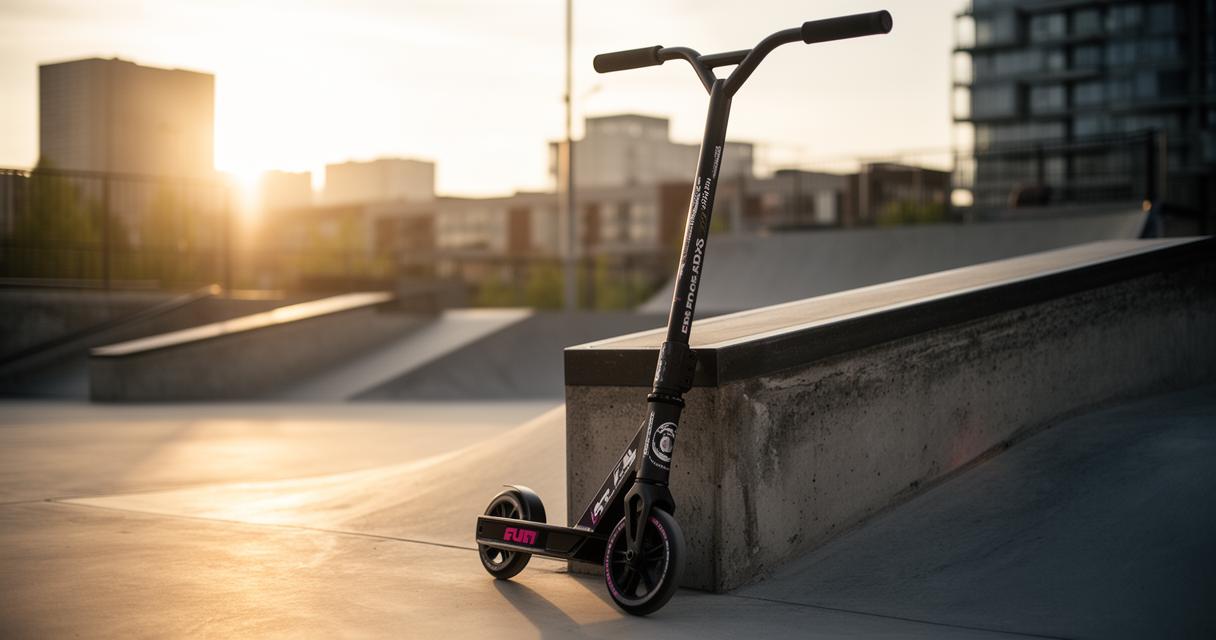
The foundation of any quality freestyle scooter begins with its wheels, which typically measure between one hundred and ten and one hundred twenty-five millimetres in diameter. These wheels contain precision bearings that determine how smoothly the scooter rolls and how well it maintains momentum during complex manoeuvres. High-quality bearings rated ABEC-7 or ABEC-9 offer superior speed and consistency, though riders should remember that bearing ratings alone don't tell the complete story of wheel performance. The platform, often called the deck, provides the surface where riders position their feet and serves as the central structural element connecting all other components. Modern decks feature concave designs that enhance foot grip and control whilst executing tricks. The handlebars extend upward from the deck through a compression system, and their height significantly affects rider comfort and control. Adjustable handlebars offer versatility as skills develop, though many experienced riders prefer fixed-height bars that eliminate potential weak points in the scooter's structure. The handlebar grips should provide comfortable cushioning whilst maintaining sufficient texture to prevent slipping during intense riding sessions.
Selecting the Proper Scooter Size for Young Riders
Choosing appropriately sized equipment proves particularly important for younger enthusiasts beginning their freestyle journey. A scooter that's too large creates control difficulties and safety concerns, whilst an undersized model restricts movement and limits progression. When standing naturally on the deck with hands resting on the handlebars, young riders should find the grips positioned somewhere between their waist and chest height. This range allows for comfortable steering without excessive bending or reaching that could compromise balance. The deck width also matters considerably, as narrower platforms suit smaller riders who need to maintain proper foot positioning without overextending their stance. Many manufacturers now offer models specifically designed with children's proportions in mind, featuring reduced deck lengths and lower handlebar configurations. Parents shopping for their children should resist the temptation to purchase significantly oversized scooters with the expectation that youngsters will grow into them, as this approach often leads to frustration and increased injury risk during the crucial learning phase.
Safety first: protecting yourself whilst learning tricks and techniques
No discussion of freestyle scootering would be complete without emphasising the paramount importance of proper safety equipment. The nature of trick riding inevitably involves falls and mistakes, particularly during the learning process. Adequate protection transforms potentially serious injuries into minor bumps that allow riders to continue developing their skills with confidence.
Must-have protective equipment for freestyle riding
A properly fitted helmet represents the single most critical piece of safety equipment for any scooter rider. Unlike bicycle helmets designed primarily for forward impacts, skateboarding-style helmets offer superior coverage around the back and sides of the head, providing better protection during the multi-directional falls common in freestyle riding. The helmet should sit level on the head, covering the forehead without tilting backward, and the retention system should hold it firmly in place without causing discomfort. Beyond head protection, riders should invest in comprehensive padding for their joints. Knee pads absorb impact during forward falls and allow riders to slide safely when landing tricks incorrectly. Elbow pads serve similar functions for the arms, protecting against scrapes and reducing the severity of impacts when riders instinctively extend their arms during falls. Wrist guards prove particularly valuable, as the natural reflex to catch oneself during a fall places tremendous stress on these vulnerable joints. Quality safety equipment features impact-absorbing foam covered by durable outer shells that can withstand repeated contact with concrete and asphalt. Whilst some riders eventually choose to reduce their protective gear as skills advance, beginners should embrace comprehensive protection as an essential investment in their long-term enjoyment of the sport.
Understanding Compression Systems and Their Role in Performance
The compression system represents a technical aspect of scooter construction that significantly impacts both safety and trick performance. This mechanism connects the handlebars to the fork assembly whilst allowing smooth rotation necessary for steering and spinning tricks. Three primary compression types dominate the freestyle market: threaded compression, which remains common in entry-level models; SCS compression, favoured by advanced riders for its strength and simplicity; and HIC compression, offering a middle ground between affordability and performance. Understanding your scooter's compression system helps riders maintain their equipment properly and recognise when components require adjustment or replacement. Loose compression creates dangerous wobbling that compromises control, whilst overtightened systems can damage bearings and restrict steering. Regular inspection of the compression bolt ensures optimal performance and prevents potentially hazardous mechanical failures. For riders progressing beyond basic tricks into aerial manoeuvres and grinds, upgrading to a superior compression system often proves worthwhile, as these components withstand greater stress without developing the play and sloppiness that undermine trick execution.
Developing your skills: practical exercises and urban riding tips
With proper equipment selected and safety gear secured, riders can focus on the rewarding process of skill development. Freestyle scootering rewards patience and consistent practice, with each new technique building upon previously mastered foundations. Approaching progression methodically prevents frustration and reduces injury risk whilst accelerating overall improvement.
Mastering fundamental techniques and beginner-friendly tricks
Every accomplished freestyle rider began by developing rock-solid basic skills that form the foundation for more complex manoeuvres. Comfortable balance whilst rolling represents the starting point, with riders practising maintaining stable posture at various speeds and learning to shift weight smoothly between their feet. Once basic rolling feels natural, riders should focus on controlled turning by leaning gently and using subtle handlebar inputs rather than aggressive steering movements that upset balance. The bunny hop stands as perhaps the most fundamental trick in freestyle scootering, requiring riders to lift both wheels simultaneously off the ground by combining a downward push on the handlebars with an upward pull whilst jumping. This seemingly simple movement teaches essential body coordination that applies to countless more advanced tricks. The manual, where riders balance on the rear wheel whilst rolling forward, develops crucial weight distribution skills and strengthens the core muscles necessary for controlled riding. Practising these techniques on smooth, flat surfaces with plenty of open space allows riders to focus entirely on movement quality without worrying about obstacles or traffic. As confidence grows, riders can progress to simple variations like turning whilst manualling or combining bunny hops with directional changes, gradually expanding their repertoire through systematic practice rather than attempting advanced tricks prematurely.
Navigating city streets safely and choosing quality accessories
Urban environments present both opportunities and challenges for freestyle scooter enthusiasts. City streets offer varied terrain and architectural features that can enhance riding experiences, yet they also demand heightened awareness and responsible behaviour. Riders should familiarise themselves with local regulations regarding where scootering is permitted, as many municipalities restrict riding in certain pedestrian zones or require adherence to specific traffic laws. When riding in traffic, scooter users should follow the same rules applicable to cyclists, signalling intentions clearly and remaining visible to drivers through bright clothing or reflective accessories. Evening riding requires particular caution, making lights and reflectors essential accessories for anyone venturing out after dusk. Quality locks provide security when riders need to leave their scooters unattended, though whenever possible, bringing equipment inside remains the safest option. Beyond security considerations, various accessories enhance the riding experience and allow personalisation. Replacement grips in different colours and textures let riders customise comfort and appearance, whilst aftermarket wheels offer performance upgrades as skills advance. Protective cases designed specifically for scooter transportation prove valuable for riders who frequently travel to different riding locations. When shopping for accessories, riders should prioritise compatibility with their specific scooter model and favour established brands known for quality manufacturing, as cheaper alternatives often fail prematurely or create safety hazards through poor construction. Free shipping offers and generous return policies provide additional peace of mind when purchasing equipment online, allowing riders to ensure proper fit and quality before committing fully to their purchases.

Freestyle Scooter: The Beginner’s Guide to Mastering Essential Skills and Exercises for Sports and Leisure
Freestyle scootering has evolved from a simple childhood pastime into a dynamic sport and leisure activity that captivates riders of all ages. Whether gliding through city streets or practising tricks at the local skate park, mastering the fundamentals of this exciting discipline requires understanding your equipment, prioritising safety, and committing to consistent practice. This comprehensive guide offers aspiring riders everything needed to embark on their freestyle scootering journey with confidence and enthusiasm.
Getting started with freestyle scootering: understanding your equipment
Before attempting any tricks or venturing into urban environments, developing a solid understanding of your scooter's construction proves essential. The modern freestyle scooter comprises several critical components working in harmony to deliver performance and durability. Unlike recreational scooters designed primarily for transportation, freestyle models feature reinforced construction specifically engineered to withstand the demands of trick riding and repeated impacts.
Essential components: from wheels to handlebars
The foundation of any quality freestyle scooter begins with its wheels, which typically measure between one hundred and ten and one hundred twenty-five millimetres in diameter. These wheels contain precision bearings that determine how smoothly the scooter rolls and how well it maintains momentum during complex manoeuvres. High-quality bearings rated ABEC-7 or ABEC-9 offer superior speed and consistency, though riders should remember that bearing ratings alone don't tell the complete story of wheel performance. The platform, often called the deck, provides the surface where riders position their feet and serves as the central structural element connecting all other components. Modern decks feature concave designs that enhance foot grip and control whilst executing tricks. The handlebars extend upward from the deck through a compression system, and their height significantly affects rider comfort and control. Adjustable handlebars offer versatility as skills develop, though many experienced riders prefer fixed-height bars that eliminate potential weak points in the scooter's structure. The handlebar grips should provide comfortable cushioning whilst maintaining sufficient texture to prevent slipping during intense riding sessions.
Selecting the Proper Scooter Size for Young Riders
Choosing appropriately sized equipment proves particularly important for younger enthusiasts beginning their freestyle journey. A scooter that's too large creates control difficulties and safety concerns, whilst an undersized model restricts movement and limits progression. When standing naturally on the deck with hands resting on the handlebars, young riders should find the grips positioned somewhere between their waist and chest height. This range allows for comfortable steering without excessive bending or reaching that could compromise balance. The deck width also matters considerably, as narrower platforms suit smaller riders who need to maintain proper foot positioning without overextending their stance. Many manufacturers now offer models specifically designed with children's proportions in mind, featuring reduced deck lengths and lower handlebar configurations. Parents shopping for their children should resist the temptation to purchase significantly oversized scooters with the expectation that youngsters will grow into them, as this approach often leads to frustration and increased injury risk during the crucial learning phase.
Safety first: protecting yourself whilst learning tricks and techniques
No discussion of freestyle scootering would be complete without emphasising the paramount importance of proper safety equipment. The nature of trick riding inevitably involves falls and mistakes, particularly during the learning process. Adequate protection transforms potentially serious injuries into minor bumps that allow riders to continue developing their skills with confidence.
Must-have protective equipment for freestyle riding
A properly fitted helmet represents the single most critical piece of safety equipment for any scooter rider. Unlike bicycle helmets designed primarily for forward impacts, skateboarding-style helmets offer superior coverage around the back and sides of the head, providing better protection during the multi-directional falls common in freestyle riding. The helmet should sit level on the head, covering the forehead without tilting backward, and the retention system should hold it firmly in place without causing discomfort. Beyond head protection, riders should invest in comprehensive padding for their joints. Knee pads absorb impact during forward falls and allow riders to slide safely when landing tricks incorrectly. Elbow pads serve similar functions for the arms, protecting against scrapes and reducing the severity of impacts when riders instinctively extend their arms during falls. Wrist guards prove particularly valuable, as the natural reflex to catch oneself during a fall places tremendous stress on these vulnerable joints. Quality safety equipment features impact-absorbing foam covered by durable outer shells that can withstand repeated contact with concrete and asphalt. Whilst some riders eventually choose to reduce their protective gear as skills advance, beginners should embrace comprehensive protection as an essential investment in their long-term enjoyment of the sport.
Understanding Compression Systems and Their Role in Performance
The compression system represents a technical aspect of scooter construction that significantly impacts both safety and trick performance. This mechanism connects the handlebars to the fork assembly whilst allowing smooth rotation necessary for steering and spinning tricks. Three primary compression types dominate the freestyle market: threaded compression, which remains common in entry-level models; SCS compression, favoured by advanced riders for its strength and simplicity; and HIC compression, offering a middle ground between affordability and performance. Understanding your scooter's compression system helps riders maintain their equipment properly and recognise when components require adjustment or replacement. Loose compression creates dangerous wobbling that compromises control, whilst overtightened systems can damage bearings and restrict steering. Regular inspection of the compression bolt ensures optimal performance and prevents potentially hazardous mechanical failures. For riders progressing beyond basic tricks into aerial manoeuvres and grinds, upgrading to a superior compression system often proves worthwhile, as these components withstand greater stress without developing the play and sloppiness that undermine trick execution.
Developing your skills: practical exercises and urban riding tips
With proper equipment selected and safety gear secured, riders can focus on the rewarding process of skill development. Freestyle scootering rewards patience and consistent practice, with each new technique building upon previously mastered foundations. Approaching progression methodically prevents frustration and reduces injury risk whilst accelerating overall improvement.
Mastering fundamental techniques and beginner-friendly tricks
Every accomplished freestyle rider began by developing rock-solid basic skills that form the foundation for more complex manoeuvres. Comfortable balance whilst rolling represents the starting point, with riders practising maintaining stable posture at various speeds and learning to shift weight smoothly between their feet. Once basic rolling feels natural, riders should focus on controlled turning by leaning gently and using subtle handlebar inputs rather than aggressive steering movements that upset balance. The bunny hop stands as perhaps the most fundamental trick in freestyle scootering, requiring riders to lift both wheels simultaneously off the ground by combining a downward push on the handlebars with an upward pull whilst jumping. This seemingly simple movement teaches essential body coordination that applies to countless more advanced tricks. The manual, where riders balance on the rear wheel whilst rolling forward, develops crucial weight distribution skills and strengthens the core muscles necessary for controlled riding. Practising these techniques on smooth, flat surfaces with plenty of open space allows riders to focus entirely on movement quality without worrying about obstacles or traffic. As confidence grows, riders can progress to simple variations like turning whilst manualling or combining bunny hops with directional changes, gradually expanding their repertoire through systematic practice rather than attempting advanced tricks prematurely.
Navigating city streets safely and choosing quality accessories
Urban environments present both opportunities and challenges for freestyle scooter enthusiasts. City streets offer varied terrain and architectural features that can enhance riding experiences, yet they also demand heightened awareness and responsible behaviour. Riders should familiarise themselves with local regulations regarding where scootering is permitted, as many municipalities restrict riding in certain pedestrian zones or require adherence to specific traffic laws. When riding in traffic, scooter users should follow the same rules applicable to cyclists, signalling intentions clearly and remaining visible to drivers through bright clothing or reflective accessories. Evening riding requires particular caution, making lights and reflectors essential accessories for anyone venturing out after dusk. Quality locks provide security when riders need to leave their scooters unattended, though whenever possible, bringing equipment inside remains the safest option. Beyond security considerations, various accessories enhance the riding experience and allow personalisation. Replacement grips in different colours and textures let riders customise comfort and appearance, whilst aftermarket wheels offer performance upgrades as skills advance. Protective cases designed specifically for scooter transportation prove valuable for riders who frequently travel to different riding locations. When shopping for accessories, riders should prioritise compatibility with their specific scooter model and favour established brands known for quality manufacturing, as cheaper alternatives often fail prematurely or create safety hazards through poor construction. Free shipping offers and generous return policies provide additional peace of mind when purchasing equipment online, allowing riders to ensure proper fit and quality before committing fully to their purchases.
Most Popular
Beyond The Diver’s Plunge: Exploring the Environmental Impact of Competitive Diving Locations on Coastal Ecosystems
User-Tested Comparison: The 10 Best MTB and Cyclo-cross Shoes Rated for Terrain Versatility and Fit
How to Keep Makeup Fresh During a Swim Session: My Top 5 Cosmetics Products for the Swimming Pool
What Size for a Bodyboard? Decoding Professional Preferences in Board Dimensions, Foam Types, and Tail Shapes
Categories
Related Posts
Beyond The Diver’s Plunge: Exploring the Environmental Impact of Competitive Diving Locations on Coastal Ecosystems
Competitive diving, long celebrated for its grace and athleticism, has carved out a unique space within the sporting world whilst
User-Tested Comparison: The 10 Best MTB and Cyclo-cross Shoes Rated for Terrain Versatility and Fit
Selecting the right footwear for mountain biking and cyclo-cross can dramatically transform your riding experience, whether you are tackling muddy
How to Keep Makeup Fresh During a Swim Session: My Top 5 Cosmetics Products for the Swimming Pool
Maintaining a polished appearance while enjoying time in the water can feel like a delicate balancing act. Whether you're heading
What Size for a Bodyboard? Decoding Professional Preferences in Board Dimensions, Foam Types, and Tail Shapes
Selecting the right bodyboard involves navigating a fascinating landscape of technical specifications, materials, and design philosophies that can transform your