Selecting the right bodyboard involves navigating a fascinating landscape of technical specifications, materials, and design philosophies that can transform your wave-riding experience from frustrating to exhilarating. Whether you're carving through Cornwall's rugged surf or chasing barrels in Portugal, understanding how board dimensions, foam cores, and tail configurations interact with your physique and local conditions is essential. Professional riders and coaches consistently emphasise that the perfect board is not a one-size-fits-all proposition but rather a careful balance between personal attributes, environmental factors, and performance aspirations.
Understanding Bodyboard Dimensions: Matching Board Size to Your Height and Weight
The relationship between a rider's physical characteristics and board dimensions forms the foundation of bodyboarding performance. When selecting a board, the most reliable starting point involves measuring from your chin to the top of your knee, a guideline that ensures the board provides adequate surface area without becoming unwieldy. This measurement serves as a practical baseline, though it represents just the beginning of a more nuanced selection process that takes into account weight distribution, skill level, and the specific wave conditions you'll encounter most frequently.
How rider weight and height determine ideal board length
Body weight exerts perhaps the most significant influence on optimal board length, with heavier riders requiring additional volume to maintain proper buoyancy and planing efficiency. A rider weighing under sixty kilograms might find a board measuring between thirty-eight and forty inches perfectly adequate, whilst someone exceeding ninety kilograms would benefit from a board extending toward forty-four inches or longer. These recommendations account for the physics of displacement and ensure the board sits correctly in the water rather than sinking beneath the surface or riding too high and losing responsiveness. Taller individuals naturally require more length to accommodate their frame, but weight remains the primary determinant since it directly affects how the board behaves in dynamic wave conditions. Beginners often gravitate toward slightly longer boards that offer enhanced stability and float, making wave-catching easier during the learning phase, whilst advanced riders in challenging surf frequently opt for shorter dimensions that sacrifice some buoyancy for increased manoeuvrability and quicker rail-to-rail transitions.
The Role of Width and Thickness in Performance and Buoyancy
Beyond length, the width and thickness of a bodyboard contribute substantially to its handling characteristics and suitability for different wave types. Wider boards provide a larger planing surface that generates speed in smaller, mushier waves, helping riders maintain momentum when conditions lack power. Conversely, narrower profiles excel in hollow, powerful surf where precision and quick directional changes become paramount. Thickness affects both buoyancy and flex, with thicker cores offering more float for heavier riders or those seeking additional paddling assistance, whilst thinner constructions deliver enhanced responsiveness and allow the board to conform more readily to the wave face. The interplay between these dimensions creates distinct performance profiles, and understanding how width and thickness complement or counteract length helps riders fine-tune their equipment choices. Smaller waves benefit from the speed generation of wider, thicker boards, whereas larger, more powerful conditions demand the control and agility that narrower, thinner designs provide. This dimensional balancing act explains why many serious bodyboarders maintain a quiver of boards, each optimised for specific conditions they regularly encounter across destinations ranging from Morocco's consistent point breaks to San Clemente's variable beach breaks.
Foam core materials explained: polypropylene, nrg, and polyethylene compared
The core material of a bodyboard fundamentally determines its flex characteristics, temperature responsiveness, and overall performance envelope. Three primary foam types dominate the market, each engineered to excel under specific thermal and wave conditions whilst offering distinct advantages in durability, responsiveness, and price accessibility. Understanding these material differences empowers riders to select cores that complement both their local water temperatures and their riding style preferences, ensuring the board performs optimally rather than fighting against environmental constraints.
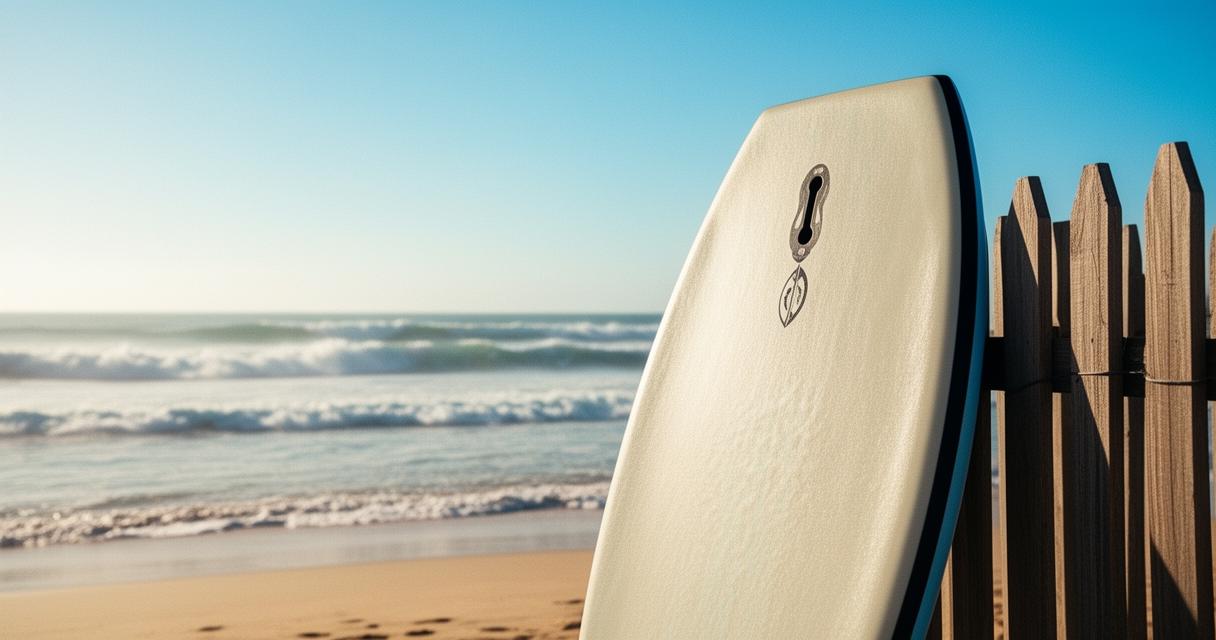
Polypropylene Cores for Warmer Waters and Advanced Manoeuvrability
Polypropylene represents the premium end of bodyboard construction, favoured by professional riders and advanced enthusiasts who demand maximum performance in warm water environments. This material exhibits remarkable stiffness and memory characteristics that translate into explosive responsiveness, allowing the board to snap back into shape instantly after flexing through turns. The inherent rigidity of polypropylene cores provides exceptional projection out of manoeuvres, enabling riders to generate speed from minimal energy input and maintain control through aggressive carves. However, this performance advantage comes with a critical caveat regarding water temperature, as polypropylene becomes prohibitively stiff in cool conditions, losing the flex necessary for effective wave engagement. Riders in tropical or temperate summer waters find polypropylene boards deliver unmatched precision and responsiveness, with the material's high-end construction justifying its elevated price point through superior durability and performance longevity. The stiffness that makes polypropylene ideal for warm climates also demands a higher skill level, as the board responds instantly to subtle weight shifts and body positioning, leaving little room for technical imprecision.
NRG and Polyethylene Options for Colder Conditions and Beginner Durability
Polyethylene cores represent the versatile middle ground, offering reliable performance across a broader temperature range whilst remaining accessible to riders at various skill levels. This material maintains consistent flex characteristics in cooler waters where polypropylene would become too rigid, making it the preferred choice for year-round riding in regions like Cornwall where water temperatures fluctuate significantly. Polyethylene boards provide adequate responsiveness for intermediate riders developing their technique whilst offering enough performance potential to remain satisfying as skills progress. The material's mid-level price point reflects its balanced attributes, neither commanding the premium of polypropylene nor requiring the frequent replacement that entry-level options might demand. NRG cores, often positioned as an enhanced polyethylene variant, incorporate additional technologies to improve durability and performance whilst retaining the temperature tolerance that makes polyethylene practical for cooler conditions. Entry-level boards frequently utilise expanded polystyrene cores that prioritise affordability and basic functionality, serving beginners adequately whilst they develop fundamental skills before investing in higher-performance equipment. These introductory options typically feature less sophisticated construction and reduced longevity, but they fulfil the essential role of making bodyboarding accessible without significant financial commitment. Coaching sessions and board testing opportunities provide valuable hands-on experience with different core materials, helping riders identify which foam type best matches their progression trajectory and local conditions before committing to a purchase.
Tail shapes and their impact: crescent versus bat tail designs
The rear profile of a bodyboard exerts profound influence over its handling characteristics, with tail shape determining how water flows off the board and how effectively the rails engage during turns. Two dominant configurations have emerged through decades of design evolution, each offering distinct advantages that appeal to different riding styles and wave preferences. Understanding the functional differences between these tail geometries enables riders to select boards that complement their technique whilst optimising performance in their preferred conditions.
Crescent Tails for Enhanced Control and Wave Carving
The crescent tail, characterised by its curved, moon-like profile, has become the standard choice for riders prioritising manoeuvrability and rail-to-rail control. This design channels water smoothly along the board's edges, facilitating quick transitions between turns and allowing the rider to engage rails with minimal resistance. The curved shape naturally conforms to the body's position when lying prone, creating an ergonomic advantage that enhances comfort during extended sessions. Crescent tails excel in varied conditions, providing predictable handling whether carving through small summer waves or navigating more challenging winter swells. The design's versatility explains its popularity amongst both developing riders building foundational skills and advanced bodyboarders executing complex manoeuvres. The increased rail engagement that crescent tails promote makes them particularly effective in hollow waves where precise positioning and rapid directional changes determine success or failure. Riders focusing on progressive tricks and aerials often gravitate toward crescent configurations, as the tail design supports the controlled release and reentry dynamics these manoeuvres demand.
Bat Tails for Speed and Stability in Varied Surf Conditions
Bat tails present a squared-off rear profile with angular corners that create distinctly different hydrodynamic properties compared to crescent designs. This geometry generates additional planing surface and stability, characteristics that translate into enhanced straight-line speed and improved wave-catching ability in smaller conditions. The squared shape releases water more abruptly than the crescent's gradual curve, reducing drag and allowing riders to maintain momentum through weaker sections of waves. Riders who frequent point breaks or waves with long walls often prefer bat tails for their ability to generate and maintain speed whilst providing a stable platform for extended rides. The design also offers advantages in dropknee and standup riding styles, where the additional stability compensates for the higher centre of gravity these techniques create. Whilst bat tails sacrifice some of the quick-turning agility that crescents provide, they deliver compensating benefits in specific conditions and riding approaches. Some designs incorporate delta tail variations that blend characteristics from both configurations, offering compromised performance across multiple attributes rather than optimising for a single dimension. The choice between crescent and bat tails ultimately reflects personal preference shaped by local wave conditions, riding style, and the specific performance attributes each rider values most. Testing different tail configurations through coaching weekends or demo opportunities provides invaluable practical insight that transcends theoretical understanding, helping riders identify which design resonates with their natural technique and amplifies their enjoyment on the water.

What Size for a Bodyboard? Decoding Professional Preferences in Board Dimensions, Foam Types, and Tail Shapes
Selecting the right bodyboard involves navigating a fascinating landscape of technical specifications, materials, and design philosophies that can transform your wave-riding experience from frustrating to exhilarating. Whether you're carving through Cornwall's rugged surf or chasing barrels in Portugal, understanding how board dimensions, foam cores, and tail configurations interact with your physique and local conditions is essential. Professional riders and coaches consistently emphasise that the perfect board is not a one-size-fits-all proposition but rather a careful balance between personal attributes, environmental factors, and performance aspirations.
Understanding Bodyboard Dimensions: Matching Board Size to Your Height and Weight
The relationship between a rider's physical characteristics and board dimensions forms the foundation of bodyboarding performance. When selecting a board, the most reliable starting point involves measuring from your chin to the top of your knee, a guideline that ensures the board provides adequate surface area without becoming unwieldy. This measurement serves as a practical baseline, though it represents just the beginning of a more nuanced selection process that takes into account weight distribution, skill level, and the specific wave conditions you'll encounter most frequently.
How rider weight and height determine ideal board length
Body weight exerts perhaps the most significant influence on optimal board length, with heavier riders requiring additional volume to maintain proper buoyancy and planing efficiency. A rider weighing under sixty kilograms might find a board measuring between thirty-eight and forty inches perfectly adequate, whilst someone exceeding ninety kilograms would benefit from a board extending toward forty-four inches or longer. These recommendations account for the physics of displacement and ensure the board sits correctly in the water rather than sinking beneath the surface or riding too high and losing responsiveness. Taller individuals naturally require more length to accommodate their frame, but weight remains the primary determinant since it directly affects how the board behaves in dynamic wave conditions. Beginners often gravitate toward slightly longer boards that offer enhanced stability and float, making wave-catching easier during the learning phase, whilst advanced riders in challenging surf frequently opt for shorter dimensions that sacrifice some buoyancy for increased manoeuvrability and quicker rail-to-rail transitions.
The Role of Width and Thickness in Performance and Buoyancy
Beyond length, the width and thickness of a bodyboard contribute substantially to its handling characteristics and suitability for different wave types. Wider boards provide a larger planing surface that generates speed in smaller, mushier waves, helping riders maintain momentum when conditions lack power. Conversely, narrower profiles excel in hollow, powerful surf where precision and quick directional changes become paramount. Thickness affects both buoyancy and flex, with thicker cores offering more float for heavier riders or those seeking additional paddling assistance, whilst thinner constructions deliver enhanced responsiveness and allow the board to conform more readily to the wave face. The interplay between these dimensions creates distinct performance profiles, and understanding how width and thickness complement or counteract length helps riders fine-tune their equipment choices. Smaller waves benefit from the speed generation of wider, thicker boards, whereas larger, more powerful conditions demand the control and agility that narrower, thinner designs provide. This dimensional balancing act explains why many serious bodyboarders maintain a quiver of boards, each optimised for specific conditions they regularly encounter across destinations ranging from Morocco's consistent point breaks to San Clemente's variable beach breaks.
Foam core materials explained: polypropylene, nrg, and polyethylene compared
The core material of a bodyboard fundamentally determines its flex characteristics, temperature responsiveness, and overall performance envelope. Three primary foam types dominate the market, each engineered to excel under specific thermal and wave conditions whilst offering distinct advantages in durability, responsiveness, and price accessibility. Understanding these material differences empowers riders to select cores that complement both their local water temperatures and their riding style preferences, ensuring the board performs optimally rather than fighting against environmental constraints.
Polypropylene Cores for Warmer Waters and Advanced Manoeuvrability
Polypropylene represents the premium end of bodyboard construction, favoured by professional riders and advanced enthusiasts who demand maximum performance in warm water environments. This material exhibits remarkable stiffness and memory characteristics that translate into explosive responsiveness, allowing the board to snap back into shape instantly after flexing through turns. The inherent rigidity of polypropylene cores provides exceptional projection out of manoeuvres, enabling riders to generate speed from minimal energy input and maintain control through aggressive carves. However, this performance advantage comes with a critical caveat regarding water temperature, as polypropylene becomes prohibitively stiff in cool conditions, losing the flex necessary for effective wave engagement. Riders in tropical or temperate summer waters find polypropylene boards deliver unmatched precision and responsiveness, with the material's high-end construction justifying its elevated price point through superior durability and performance longevity. The stiffness that makes polypropylene ideal for warm climates also demands a higher skill level, as the board responds instantly to subtle weight shifts and body positioning, leaving little room for technical imprecision.
NRG and Polyethylene Options for Colder Conditions and Beginner Durability
Polyethylene cores represent the versatile middle ground, offering reliable performance across a broader temperature range whilst remaining accessible to riders at various skill levels. This material maintains consistent flex characteristics in cooler waters where polypropylene would become too rigid, making it the preferred choice for year-round riding in regions like Cornwall where water temperatures fluctuate significantly. Polyethylene boards provide adequate responsiveness for intermediate riders developing their technique whilst offering enough performance potential to remain satisfying as skills progress. The material's mid-level price point reflects its balanced attributes, neither commanding the premium of polypropylene nor requiring the frequent replacement that entry-level options might demand. NRG cores, often positioned as an enhanced polyethylene variant, incorporate additional technologies to improve durability and performance whilst retaining the temperature tolerance that makes polyethylene practical for cooler conditions. Entry-level boards frequently utilise expanded polystyrene cores that prioritise affordability and basic functionality, serving beginners adequately whilst they develop fundamental skills before investing in higher-performance equipment. These introductory options typically feature less sophisticated construction and reduced longevity, but they fulfil the essential role of making bodyboarding accessible without significant financial commitment. Coaching sessions and board testing opportunities provide valuable hands-on experience with different core materials, helping riders identify which foam type best matches their progression trajectory and local conditions before committing to a purchase.
Tail shapes and their impact: crescent versus bat tail designs
The rear profile of a bodyboard exerts profound influence over its handling characteristics, with tail shape determining how water flows off the board and how effectively the rails engage during turns. Two dominant configurations have emerged through decades of design evolution, each offering distinct advantages that appeal to different riding styles and wave preferences. Understanding the functional differences between these tail geometries enables riders to select boards that complement their technique whilst optimising performance in their preferred conditions.
Crescent Tails for Enhanced Control and Wave Carving
The crescent tail, characterised by its curved, moon-like profile, has become the standard choice for riders prioritising manoeuvrability and rail-to-rail control. This design channels water smoothly along the board's edges, facilitating quick transitions between turns and allowing the rider to engage rails with minimal resistance. The curved shape naturally conforms to the body's position when lying prone, creating an ergonomic advantage that enhances comfort during extended sessions. Crescent tails excel in varied conditions, providing predictable handling whether carving through small summer waves or navigating more challenging winter swells. The design's versatility explains its popularity amongst both developing riders building foundational skills and advanced bodyboarders executing complex manoeuvres. The increased rail engagement that crescent tails promote makes them particularly effective in hollow waves where precise positioning and rapid directional changes determine success or failure. Riders focusing on progressive tricks and aerials often gravitate toward crescent configurations, as the tail design supports the controlled release and reentry dynamics these manoeuvres demand.
Bat Tails for Speed and Stability in Varied Surf Conditions
Bat tails present a squared-off rear profile with angular corners that create distinctly different hydrodynamic properties compared to crescent designs. This geometry generates additional planing surface and stability, characteristics that translate into enhanced straight-line speed and improved wave-catching ability in smaller conditions. The squared shape releases water more abruptly than the crescent's gradual curve, reducing drag and allowing riders to maintain momentum through weaker sections of waves. Riders who frequent point breaks or waves with long walls often prefer bat tails for their ability to generate and maintain speed whilst providing a stable platform for extended rides. The design also offers advantages in dropknee and standup riding styles, where the additional stability compensates for the higher centre of gravity these techniques create. Whilst bat tails sacrifice some of the quick-turning agility that crescents provide, they deliver compensating benefits in specific conditions and riding approaches. Some designs incorporate delta tail variations that blend characteristics from both configurations, offering compromised performance across multiple attributes rather than optimising for a single dimension. The choice between crescent and bat tails ultimately reflects personal preference shaped by local wave conditions, riding style, and the specific performance attributes each rider values most. Testing different tail configurations through coaching weekends or demo opportunities provides invaluable practical insight that transcends theoretical understanding, helping riders identify which design resonates with their natural technique and amplifies their enjoyment on the water.
Most Popular
Beyond The Diver’s Plunge: Exploring the Environmental Impact of Competitive Diving Locations on Coastal Ecosystems
User-Tested Comparison: The 10 Best MTB and Cyclo-cross Shoes Rated for Terrain Versatility and Fit
How to Keep Makeup Fresh During a Swim Session: My Top 5 Cosmetics Products for the Swimming Pool
What Size for a Bodyboard? Decoding Professional Preferences in Board Dimensions, Foam Types, and Tail Shapes
Categories
Related Posts
Beyond The Diver’s Plunge: Exploring the Environmental Impact of Competitive Diving Locations on Coastal Ecosystems
Competitive diving, long celebrated for its grace and athleticism, has carved out a unique space within the sporting world whilst
User-Tested Comparison: The 10 Best MTB and Cyclo-cross Shoes Rated for Terrain Versatility and Fit
Selecting the right footwear for mountain biking and cyclo-cross can dramatically transform your riding experience, whether you are tackling muddy
How to Keep Makeup Fresh During a Swim Session: My Top 5 Cosmetics Products for the Swimming Pool
Maintaining a polished appearance while enjoying time in the water can feel like a delicate balancing act. Whether you're heading
What Size for a Bodyboard? Decoding Professional Preferences in Board Dimensions, Foam Types, and Tail Shapes
Selecting the right bodyboard involves navigating a fascinating landscape of technical specifications, materials, and design philosophies that can transform your