In all sports, a specific and adapted diet is necessary to practice it well. A bad or unsuitable diet is never without consequences for the player or the practitioner. Marathon running, one of the great sports disciplines, requires a specific diet. What to eat? What to avoid? And how to eat when you are a marathon runner?
What food should you eat to succeed in a marathon?
To avoid less effective training, more difficult recovery, a decrease in physical capacity, an increase in the risk of injury and an increase in fatigue, all of which are energy deficits, a good diet is essential for any marathon runner. Firstly, good performance is the result of daily work and good daily nutrition.
During training, it is advisable to adopt a diet of 3 to 4 meals a day. This means breakfast, lunch, snack and dinner. The meals to be eaten during this period should contain 55 to 60% of the energy provided by carbohydrates and in particular complex carbohydrates such as bread, pasta, rice, semolina, lentils, kidney beans, white beans, etc. In addition, you should also eat foods rich in 25 to 30% of lipids which are of vegetable origin such as olive oil, walnut oil, rapeseed oil.
Proteins are very necessary to maintain sufficient muscle mass, a strong immune system and optimal body function. For this reason, 15% protein in food is highly recommended for a marathon runner during the training season. A portion of meat (125 g) or fish (125 g) or egg (2 units) at lunchtime and in the evening is the right benchmark. Red meat, which contains iron, a mineral essential for oxygenation and therefore for performance, should not be ignored.
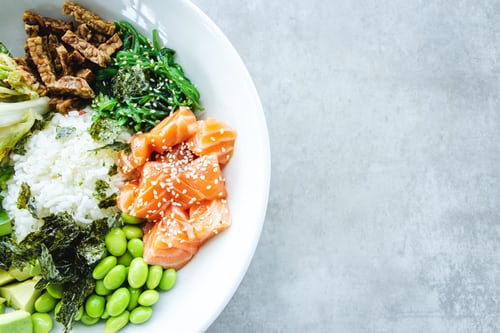
One week or less before the competition, give preference to starchy foods! Starchy foods should be the mainstay of your diet. Your daily plate should contain 2/3 starchy foods and 1/3 green vegetables to ensure excellent nutrition for good performance.
Test food before consumption
It is not enough to take into account all of the above. But it is also important to test the food before consumption. This will show which foods are not good for the marathon runner’s body. This is to ensure that the body can handle the food. Hydration before, during and after the competition is one of the best ways.

Marathon: What kind of diet is needed to run it well ?
In all sports, a specific and adapted diet is necessary to practice it well. A bad or unsuitable diet is never without consequences for the player or the practitioner. Marathon running, one of the great sports disciplines, requires a specific diet. What to eat? What to avoid? And how to eat when you are a marathon runner?
What food should you eat to succeed in a marathon?
To avoid less effective training, more difficult recovery, a decrease in physical capacity, an increase in the risk of injury and an increase in fatigue, all of which are energy deficits, a good diet is essential for any marathon runner. Firstly, good performance is the result of daily work and good daily nutrition.
During training, it is advisable to adopt a diet of 3 to 4 meals a day. This means breakfast, lunch, snack and dinner. The meals to be eaten during this period should contain 55 to 60% of the energy provided by carbohydrates and in particular complex carbohydrates such as bread, pasta, rice, semolina, lentils, kidney beans, white beans, etc. In addition, you should also eat foods rich in 25 to 30% of lipids which are of vegetable origin such as olive oil, walnut oil, rapeseed oil.
Proteins are very necessary to maintain sufficient muscle mass, a strong immune system and optimal body function. For this reason, 15% protein in food is highly recommended for a marathon runner during the training season. A portion of meat (125 g) or fish (125 g) or egg (2 units) at lunchtime and in the evening is the right benchmark. Red meat, which contains iron, a mineral essential for oxygenation and therefore for performance, should not be ignored.
One week or less before the competition, give preference to starchy foods! Starchy foods should be the mainstay of your diet. Your daily plate should contain 2/3 starchy foods and 1/3 green vegetables to ensure excellent nutrition for good performance.
Test food before consumption
It is not enough to take into account all of the above. But it is also important to test the food before consumption. This will show which foods are not good for the marathon runner’s body. This is to ensure that the body can handle the food. Hydration before, during and after the competition is one of the best ways.
Most Popular
Beyond The Diver’s Plunge: Exploring the Environmental Impact of Competitive Diving Locations on Coastal Ecosystems
User-Tested Comparison: The 10 Best MTB and Cyclo-cross Shoes Rated for Terrain Versatility and Fit
How to Keep Makeup Fresh During a Swim Session: My Top 5 Cosmetics Products for the Swimming Pool
What Size for a Bodyboard? Decoding Professional Preferences in Board Dimensions, Foam Types, and Tail Shapes
Categories
Related Posts
Beyond The Diver’s Plunge: Exploring the Environmental Impact of Competitive Diving Locations on Coastal Ecosystems
Competitive diving, long celebrated for its grace and athleticism, has carved out a unique space within the sporting world whilst
User-Tested Comparison: The 10 Best MTB and Cyclo-cross Shoes Rated for Terrain Versatility and Fit
Selecting the right footwear for mountain biking and cyclo-cross can dramatically transform your riding experience, whether you are tackling muddy
How to Keep Makeup Fresh During a Swim Session: My Top 5 Cosmetics Products for the Swimming Pool
Maintaining a polished appearance while enjoying time in the water can feel like a delicate balancing act. Whether you're heading
What Size for a Bodyboard? Decoding Professional Preferences in Board Dimensions, Foam Types, and Tail Shapes
Selecting the right bodyboard involves navigating a fascinating landscape of technical specifications, materials, and design philosophies that can transform your