As homeowners and public facilities across the country increasingly focus on reducing their environmental footprint, the choice of swimming pool heating systems has become a pivotal consideration. Whilst traditional gas and oil heaters have long been the norm, air source heat pumps present a compelling alternative that not only delivers significant carbon savings but also offers long-term cost effectiveness. The key to unlocking these benefits lies not merely in the initial installation but in the disciplined, season-by-season maintenance that ensures these systems operate at peak efficiency year after year. By understanding the science behind heat transfer technology and committing to regular servicing, pool owners can dramatically reduce greenhouse gas emissions whilst enjoying reliable, eco-friendly heating.
Seasonal maintenance protocols: maximising heat pump efficiency whilst minimising environmental impact
Effective maintenance of air source heat pumps follows a natural rhythm aligned with the changing seasons, each phase playing a crucial role in sustaining optimal performance and environmental benefits. Proper care throughout the year ensures that the system continues to deliver energy efficiency and cost savings on running costs, whilst safeguarding the substantial investment made during installation. Neglecting seasonal upkeep can lead to diminished performance, increased electricity consumption, and a shortened heat pump lifespan, ultimately undermining the very sustainability practices that motivated the switch from traditional heaters.
Spring Commissioning and Summer Performance Checks for Optimal Carbon Reduction
As warmer weather approaches and pools reopen for the season, spring commissioning represents the first critical checkpoint in maintaining a heat pump's operational efficiency. This phase involves a thorough inspection of all system components, including the filtration system integration, electrical connections, and heat exchanger surfaces. During this period, technicians assess whether the unit has sustained any damage during the dormant months and verify that refrigerant levels remain within manufacturer specifications. Such attention to detail ensures that the system begins the swimming season in prime condition, capable of extracting maximum heat from ambient air with minimal energy input. Summer performance checks build upon this foundation by monitoring the system under load, confirming that the heat pump continues to deliver three to five units of heat for every unit of electricity consumed. Regular observation during peak usage months allows for early detection of issues such as reduced airflow, compressor inefficiencies, or heat exchanger fouling, all of which can compromise carbon emissions reduction. By addressing these concerns promptly, pool owners maintain the superior performance that distinguishes heat pumps from gas and electric resistance heaters, preserving both environmental impact advantages and utility bills reduction.
Autumn Preparation and Winter Winterisation Strategies to Protect Your Investment
As the swimming season draws to a close, autumn preparation becomes essential to safeguarding the heat pump system against the rigours of colder months. This phase involves cleaning the evaporator coils to remove accumulated debris, inspecting fan blades for damage, and ensuring that drainage systems function correctly to prevent moisture accumulation. Such preventative measures extend the heat pump lifespan by protecting sensitive components from corrosion and mechanical stress. Winterisation strategies vary depending on climate considerations and whether the pool remains in use during cooler months. In regions where pools close entirely, proper winterisation includes draining water from vulnerable areas, securing protective covers over outdoor units, and disconnecting power supplies to prevent electrical issues. Even in milder climates where pools operate year-round, reduced usage demands adjustments to maintenance schedules and system settings to maintain energy efficiency. By implementing robust winterization practices, owners protect their investment and ensure that the system emerges from the dormant period ready to deliver the same impressive carbon footprint reduction that characterises well-maintained heat pumps. This cyclical approach to care creates a virtuous circle in which each season's diligence reinforces the next, culminating in sustained environmental benefits and long-term performance that far exceeds traditional heating methods.
The science behind carbon savings: how regular heat pump servicing outperforms gas and oil heating systems
The remarkable environmental advantages of heat pumps stem from their fundamental operating principle, which relies on heat transfer technology rather than combustion. Unlike gas or propane heaters that burn fuel to generate warmth and create significant greenhouse gas emissions in the process, heat pumps extract thermal energy from the surrounding air and transfer it to the pool water. This distinction becomes even more pronounced when regular maintenance ensures that all components function at their designed specifications. A properly serviced heat pump consistently delivers its rated coefficient of performance, meaning it moves substantially more thermal energy than it consumes in electricity. When traditional heaters are factored into the equation, the contrast becomes stark. Gas heaters typically convert fuel to heat with efficiencies below ninety percent and produce direct carbon emissions, whilst electric resistance heaters consume vast amounts of electricity often derived from non-renewable sources. In contrast, well-maintained air source heat pumps achieve performance ratios that result in CO2 savings measured in hundreds of tonnes annually for larger facilities and proportionally significant reductions for residential pools.
Understanding Refrigerant Management and Fluid Level Monitoring for Peak Efficiency
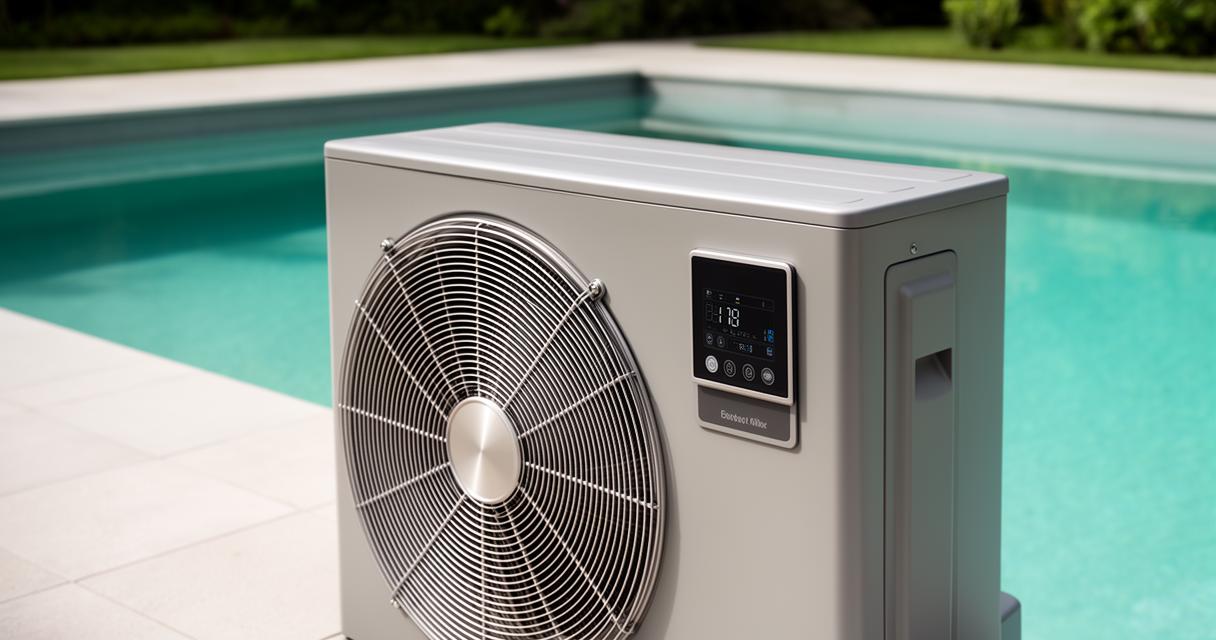
At the heart of every heat pump lies a carefully calibrated refrigerant circuit that facilitates the transfer of thermal energy from ambient air to pool water. The refrigerant undergoes continuous cycles of evaporation and condensation, absorbing heat at low pressure and releasing it at high pressure. For this process to function efficiently, refrigerant levels must remain precisely within manufacturer specifications. Even minor deviations can substantially degrade performance, causing the system to consume more electricity whilst delivering less heat, thereby increasing both running costs and the associated carbon footprint. Regular maintenance includes comprehensive refrigerant management, with qualified technicians checking for leaks, verifying charge levels, and ensuring that the system operates within optimal pressure ranges. Fluid level monitoring extends beyond refrigerants to encompass the water circuits that connect the heat pump to the pool's filtration system. Proper water flow rates are essential for effective heat transfer, and any restrictions caused by scale buildup, algae growth, or mechanical blockages can severely impair efficiency. Routine servicing addresses these concerns through inspection of pumps, valves, and heat exchangers, coupled with chemical treatments that prevent scale formation and biological contamination. This meticulous attention to fluid dynamics ensures that the heat pump maintains the superior energy efficiency that distinguishes it from traditional heaters, translating directly into reduced greenhouse gas emissions and lower utility bills.
Comparative analysis: annual carbon footprint of maintained heat pumps versus traditional heating methods
When evaluating the environmental impact of different swimming pool heating systems, the annual carbon footprint provides a revealing metric that encompasses both direct emissions and the indirect consequences of electricity generation. Gas and oil heaters produce immediate carbon emissions through combustion, with each unit of thermal energy generated releasing substantial quantities of CO2 into the atmosphere. Electric resistance heaters avoid direct emissions but consume electricity at such high rates that their overall carbon footprint often rivals or exceeds that of fossil fuel systems, particularly in regions where grid electricity derives primarily from coal or natural gas generation. In contrast, properly maintained air source heat pumps demonstrate a fundamentally different environmental profile. By delivering multiple units of heat for every unit of electricity consumed, they dramatically reduce the total energy demand associated with pool heating. Real-world data from Oxford City Council's decarbonisation project illustrates this advantage compellingly. After installing heat pumps at leisure centres, gas usage decreased by forty percent whilst electricity consumption increased by only twelve percent, resulting in overall carbon savings of over five hundred tonnes of CO2 equivalent annually. Hinksey Outdoor Pool experienced particularly impressive results, with its heat pump providing up to seventy-nine percent of heating needs and reducing carbon emissions by fifty-seven percent. These figures demonstrate that regular maintenance preserves the operational efficiency necessary to achieve such dramatic CO2 savings. Over a typical heat pump lifespan of ten to fifteen years, the cumulative carbon reduction compared to gas heaters lasting only five to seven years becomes even more pronounced, establishing heat pumps as the clear choice for anyone committed to net-zero targets and renewable energy integration.
Professional maintenance contracts: securing long-term performance and environmental benefits
Whilst some aspects of heat pump care can be performed by conscientious pool owners, securing long-term performance and sustained carbon emissions reduction requires the expertise and resources that only professional maintenance contracts can provide. These agreements establish a structured framework for ongoing service, ensuring that qualified technicians conduct comprehensive inspections and necessary interventions at appropriate intervals throughout the year. Beyond the technical benefits, professional contracts offer peace of mind, knowing that specialists monitor the system's health and address emerging issues before they escalate into costly failures or efficiency losses. For facilities pursuing net-zero carbon council targets or homeowners committed to sustainability practices, such contracts represent an essential investment that protects both the financial outlay in the heat pump system and the environmental gains it was installed to achieve.
What to Expect from Expert Installation and Ongoing Service Agreements
Expert installation forms the foundation upon which all subsequent maintenance builds, with proper commissioning ensuring that the heat pump operates as designed from day one. Professional installers assess factors including pool size, desired temperature, climate considerations, and installation location to specify and configure a system optimally matched to the application. Installation typically requires one to three days depending on complexity, during which technicians integrate the heat pump with existing filtration systems, establish proper refrigerant charges, and verify electrical connections. Following installation, ongoing service agreements typically include scheduled visits aligned with seasonal maintenance protocols, covering spring commissioning, summer performance checks, autumn preparation, and winter winterisation as needed. During these visits, technicians perform detailed inspections of all major components, clean or replace filters, verify refrigerant and fluid levels, test safety controls, and calibrate settings to maintain peak energy efficiency. Many contracts also include priority response for unexpected issues, ensuring that problems are resolved quickly to minimise downtime and prevent the efficiency losses that translate directly into increased carbon emissions. By establishing a relationship with a trusted service provider, pool owners benefit from consistent oversight by professionals familiar with their specific system, facilitating early detection of developing issues and informed recommendations for upgrades or enhancements that further improve cost effectiveness and environmental impact.
Obtaining Accurate Quotes and Selecting the Right Maintenance Partner for Your Pool System
Selecting the right maintenance partner begins with obtaining accurate quotes that clearly delineate the scope of services, frequency of visits, and terms of coverage. Prospective customers should seek detailed proposals from multiple providers, comparing not merely the price but the comprehensiveness of the services included. A thorough quote should specify the seasonal maintenance activities to be performed, clarify whether parts and refrigerants are included or billed separately, and outline response times for emergency calls. Transparency regarding these details prevents unpleasant surprises and ensures that the contract delivers the value necessary to maintain optimal performance and carbon savings over the heat pump lifespan. Beyond pricing, selecting the right partner involves evaluating the provider's qualifications, experience with air source heat pumps, and commitment to sustainability practices. Certifications from recognised industry bodies indicate technical competence, whilst experience with similar installations suggests familiarity with the specific challenges associated with swimming pool heating. Providers who demonstrate an understanding of renewable energy integration, such as solar panels systems, may offer valuable insights into further reducing electricity consumption and achieving near-zero emissions. Client testimonials and case studies provide additional evidence of reliability and customer satisfaction, helping prospective clients make informed decisions. It is worth noting that whilst no grants are available for swimming pool heat pumps under the Boiler Upgrade Scheme, requiring homeowners to self-fund installations, the long-term cost savings and environmental benefits justify the investment, particularly when supported by professional maintenance that ensures sustained operational efficiency. By carefully selecting a maintenance partner and committing to regular servicing season after season, pool owners secure the full environmental and economic advantages that distinguish heat pumps from traditional heating systems, contributing meaningfully to climate considerations and the broader transition toward a net-zero future.

How heat pump pool maintenance season after season reduces carbon emissions compared to traditional pool heating systems
As homeowners and public facilities across the country increasingly focus on reducing their environmental footprint, the choice of swimming pool heating systems has become a pivotal consideration. Whilst traditional gas and oil heaters have long been the norm, air source heat pumps present a compelling alternative that not only delivers significant carbon savings but also offers long-term cost effectiveness. The key to unlocking these benefits lies not merely in the initial installation but in the disciplined, season-by-season maintenance that ensures these systems operate at peak efficiency year after year. By understanding the science behind heat transfer technology and committing to regular servicing, pool owners can dramatically reduce greenhouse gas emissions whilst enjoying reliable, eco-friendly heating.
Seasonal maintenance protocols: maximising heat pump efficiency whilst minimising environmental impact
Effective maintenance of air source heat pumps follows a natural rhythm aligned with the changing seasons, each phase playing a crucial role in sustaining optimal performance and environmental benefits. Proper care throughout the year ensures that the system continues to deliver energy efficiency and cost savings on running costs, whilst safeguarding the substantial investment made during installation. Neglecting seasonal upkeep can lead to diminished performance, increased electricity consumption, and a shortened heat pump lifespan, ultimately undermining the very sustainability practices that motivated the switch from traditional heaters.
Spring Commissioning and Summer Performance Checks for Optimal Carbon Reduction
As warmer weather approaches and pools reopen for the season, spring commissioning represents the first critical checkpoint in maintaining a heat pump's operational efficiency. This phase involves a thorough inspection of all system components, including the filtration system integration, electrical connections, and heat exchanger surfaces. During this period, technicians assess whether the unit has sustained any damage during the dormant months and verify that refrigerant levels remain within manufacturer specifications. Such attention to detail ensures that the system begins the swimming season in prime condition, capable of extracting maximum heat from ambient air with minimal energy input. Summer performance checks build upon this foundation by monitoring the system under load, confirming that the heat pump continues to deliver three to five units of heat for every unit of electricity consumed. Regular observation during peak usage months allows for early detection of issues such as reduced airflow, compressor inefficiencies, or heat exchanger fouling, all of which can compromise carbon emissions reduction. By addressing these concerns promptly, pool owners maintain the superior performance that distinguishes heat pumps from gas and electric resistance heaters, preserving both environmental impact advantages and utility bills reduction.
Autumn Preparation and Winter Winterisation Strategies to Protect Your Investment
As the swimming season draws to a close, autumn preparation becomes essential to safeguarding the heat pump system against the rigours of colder months. This phase involves cleaning the evaporator coils to remove accumulated debris, inspecting fan blades for damage, and ensuring that drainage systems function correctly to prevent moisture accumulation. Such preventative measures extend the heat pump lifespan by protecting sensitive components from corrosion and mechanical stress. Winterisation strategies vary depending on climate considerations and whether the pool remains in use during cooler months. In regions where pools close entirely, proper winterisation includes draining water from vulnerable areas, securing protective covers over outdoor units, and disconnecting power supplies to prevent electrical issues. Even in milder climates where pools operate year-round, reduced usage demands adjustments to maintenance schedules and system settings to maintain energy efficiency. By implementing robust winterization practices, owners protect their investment and ensure that the system emerges from the dormant period ready to deliver the same impressive carbon footprint reduction that characterises well-maintained heat pumps. This cyclical approach to care creates a virtuous circle in which each season's diligence reinforces the next, culminating in sustained environmental benefits and long-term performance that far exceeds traditional heating methods.
The science behind carbon savings: how regular heat pump servicing outperforms gas and oil heating systems
The remarkable environmental advantages of heat pumps stem from their fundamental operating principle, which relies on heat transfer technology rather than combustion. Unlike gas or propane heaters that burn fuel to generate warmth and create significant greenhouse gas emissions in the process, heat pumps extract thermal energy from the surrounding air and transfer it to the pool water. This distinction becomes even more pronounced when regular maintenance ensures that all components function at their designed specifications. A properly serviced heat pump consistently delivers its rated coefficient of performance, meaning it moves substantially more thermal energy than it consumes in electricity. When traditional heaters are factored into the equation, the contrast becomes stark. Gas heaters typically convert fuel to heat with efficiencies below ninety percent and produce direct carbon emissions, whilst electric resistance heaters consume vast amounts of electricity often derived from non-renewable sources. In contrast, well-maintained air source heat pumps achieve performance ratios that result in CO2 savings measured in hundreds of tonnes annually for larger facilities and proportionally significant reductions for residential pools.
Understanding Refrigerant Management and Fluid Level Monitoring for Peak Efficiency
At the heart of every heat pump lies a carefully calibrated refrigerant circuit that facilitates the transfer of thermal energy from ambient air to pool water. The refrigerant undergoes continuous cycles of evaporation and condensation, absorbing heat at low pressure and releasing it at high pressure. For this process to function efficiently, refrigerant levels must remain precisely within manufacturer specifications. Even minor deviations can substantially degrade performance, causing the system to consume more electricity whilst delivering less heat, thereby increasing both running costs and the associated carbon footprint. Regular maintenance includes comprehensive refrigerant management, with qualified technicians checking for leaks, verifying charge levels, and ensuring that the system operates within optimal pressure ranges. Fluid level monitoring extends beyond refrigerants to encompass the water circuits that connect the heat pump to the pool's filtration system. Proper water flow rates are essential for effective heat transfer, and any restrictions caused by scale buildup, algae growth, or mechanical blockages can severely impair efficiency. Routine servicing addresses these concerns through inspection of pumps, valves, and heat exchangers, coupled with chemical treatments that prevent scale formation and biological contamination. This meticulous attention to fluid dynamics ensures that the heat pump maintains the superior energy efficiency that distinguishes it from traditional heaters, translating directly into reduced greenhouse gas emissions and lower utility bills.
Comparative analysis: annual carbon footprint of maintained heat pumps versus traditional heating methods
When evaluating the environmental impact of different swimming pool heating systems, the annual carbon footprint provides a revealing metric that encompasses both direct emissions and the indirect consequences of electricity generation. Gas and oil heaters produce immediate carbon emissions through combustion, with each unit of thermal energy generated releasing substantial quantities of CO2 into the atmosphere. Electric resistance heaters avoid direct emissions but consume electricity at such high rates that their overall carbon footprint often rivals or exceeds that of fossil fuel systems, particularly in regions where grid electricity derives primarily from coal or natural gas generation. In contrast, properly maintained air source heat pumps demonstrate a fundamentally different environmental profile. By delivering multiple units of heat for every unit of electricity consumed, they dramatically reduce the total energy demand associated with pool heating. Real-world data from Oxford City Council's decarbonisation project illustrates this advantage compellingly. After installing heat pumps at leisure centres, gas usage decreased by forty percent whilst electricity consumption increased by only twelve percent, resulting in overall carbon savings of over five hundred tonnes of CO2 equivalent annually. Hinksey Outdoor Pool experienced particularly impressive results, with its heat pump providing up to seventy-nine percent of heating needs and reducing carbon emissions by fifty-seven percent. These figures demonstrate that regular maintenance preserves the operational efficiency necessary to achieve such dramatic CO2 savings. Over a typical heat pump lifespan of ten to fifteen years, the cumulative carbon reduction compared to gas heaters lasting only five to seven years becomes even more pronounced, establishing heat pumps as the clear choice for anyone committed to net-zero targets and renewable energy integration.
Professional maintenance contracts: securing long-term performance and environmental benefits
Whilst some aspects of heat pump care can be performed by conscientious pool owners, securing long-term performance and sustained carbon emissions reduction requires the expertise and resources that only professional maintenance contracts can provide. These agreements establish a structured framework for ongoing service, ensuring that qualified technicians conduct comprehensive inspections and necessary interventions at appropriate intervals throughout the year. Beyond the technical benefits, professional contracts offer peace of mind, knowing that specialists monitor the system's health and address emerging issues before they escalate into costly failures or efficiency losses. For facilities pursuing net-zero carbon council targets or homeowners committed to sustainability practices, such contracts represent an essential investment that protects both the financial outlay in the heat pump system and the environmental gains it was installed to achieve.
What to Expect from Expert Installation and Ongoing Service Agreements
Expert installation forms the foundation upon which all subsequent maintenance builds, with proper commissioning ensuring that the heat pump operates as designed from day one. Professional installers assess factors including pool size, desired temperature, climate considerations, and installation location to specify and configure a system optimally matched to the application. Installation typically requires one to three days depending on complexity, during which technicians integrate the heat pump with existing filtration systems, establish proper refrigerant charges, and verify electrical connections. Following installation, ongoing service agreements typically include scheduled visits aligned with seasonal maintenance protocols, covering spring commissioning, summer performance checks, autumn preparation, and winter winterisation as needed. During these visits, technicians perform detailed inspections of all major components, clean or replace filters, verify refrigerant and fluid levels, test safety controls, and calibrate settings to maintain peak energy efficiency. Many contracts also include priority response for unexpected issues, ensuring that problems are resolved quickly to minimise downtime and prevent the efficiency losses that translate directly into increased carbon emissions. By establishing a relationship with a trusted service provider, pool owners benefit from consistent oversight by professionals familiar with their specific system, facilitating early detection of developing issues and informed recommendations for upgrades or enhancements that further improve cost effectiveness and environmental impact.
Obtaining Accurate Quotes and Selecting the Right Maintenance Partner for Your Pool System
Selecting the right maintenance partner begins with obtaining accurate quotes that clearly delineate the scope of services, frequency of visits, and terms of coverage. Prospective customers should seek detailed proposals from multiple providers, comparing not merely the price but the comprehensiveness of the services included. A thorough quote should specify the seasonal maintenance activities to be performed, clarify whether parts and refrigerants are included or billed separately, and outline response times for emergency calls. Transparency regarding these details prevents unpleasant surprises and ensures that the contract delivers the value necessary to maintain optimal performance and carbon savings over the heat pump lifespan. Beyond pricing, selecting the right partner involves evaluating the provider's qualifications, experience with air source heat pumps, and commitment to sustainability practices. Certifications from recognised industry bodies indicate technical competence, whilst experience with similar installations suggests familiarity with the specific challenges associated with swimming pool heating. Providers who demonstrate an understanding of renewable energy integration, such as solar panels systems, may offer valuable insights into further reducing electricity consumption and achieving near-zero emissions. Client testimonials and case studies provide additional evidence of reliability and customer satisfaction, helping prospective clients make informed decisions. It is worth noting that whilst no grants are available for swimming pool heat pumps under the Boiler Upgrade Scheme, requiring homeowners to self-fund installations, the long-term cost savings and environmental benefits justify the investment, particularly when supported by professional maintenance that ensures sustained operational efficiency. By carefully selecting a maintenance partner and committing to regular servicing season after season, pool owners secure the full environmental and economic advantages that distinguish heat pumps from traditional heating systems, contributing meaningfully to climate considerations and the broader transition toward a net-zero future.
Most Popular
Beyond The Diver’s Plunge: Exploring the Environmental Impact of Competitive Diving Locations on Coastal Ecosystems
User-Tested Comparison: The 10 Best MTB and Cyclo-cross Shoes Rated for Terrain Versatility and Fit
How to Keep Makeup Fresh During a Swim Session: My Top 5 Cosmetics Products for the Swimming Pool
What Size for a Bodyboard? Decoding Professional Preferences in Board Dimensions, Foam Types, and Tail Shapes
Categories
Related Posts
Beyond The Diver’s Plunge: Exploring the Environmental Impact of Competitive Diving Locations on Coastal Ecosystems
Competitive diving, long celebrated for its grace and athleticism, has carved out a unique space within the sporting world whilst
User-Tested Comparison: The 10 Best MTB and Cyclo-cross Shoes Rated for Terrain Versatility and Fit
Selecting the right footwear for mountain biking and cyclo-cross can dramatically transform your riding experience, whether you are tackling muddy
How to Keep Makeup Fresh During a Swim Session: My Top 5 Cosmetics Products for the Swimming Pool
Maintaining a polished appearance while enjoying time in the water can feel like a delicate balancing act. Whether you're heading
What Size for a Bodyboard? Decoding Professional Preferences in Board Dimensions, Foam Types, and Tail Shapes
Selecting the right bodyboard involves navigating a fascinating landscape of technical specifications, materials, and design philosophies that can transform your