Competitive diving, long celebrated for its grace and athleticism, has carved out a unique space within the sporting world whilst simultaneously shaping the environments where it unfolds. From the sun-drenched coasts of the Mediterranean to the vibrant harbours of Australia, diving venues have become focal points not only for athletic excellence but also for the intricate interplay between human activity and marine ecosystems. This exploration examines how diving locations influence coastal environments, balancing the allure of sport and tourism with the pressing need for environmental stewardship.
The Cinematic Legacy of Diving: From Marseille to Sydney's Coastal Narratives
Historical Diving Contexts in European and Australian Waterscapes
Diving has woven itself into the cultural fabric of coastal regions across Europe and Australia, with Marseille and Sydney standing as emblematic examples of this rich heritage. Marseille, with its historic port and azure waters, has long been a backdrop for diving narratives that capture the romance and danger of the sea. The city's coastal identity is intertwined with tales of divers exploring its depths, fostering a tradition that extends back generations. Similarly, Sydney's spectacular harbour and coastal stretches have provided a dramatic stage for diving culture, where the sport's history is celebrated through local stories and international competitions. These waterscapes have not only served as venues for athletic pursuits but have also inspired artistic and cinematic representations that elevate the profile of these locations. The historical context of diving in such regions underscores how human engagement with water has shaped local identity, yet this legacy also brings with it the challenge of preserving the delicate ecosystems that make these places so captivating.
Film Representations and Their Influence on Coastal Tourism Patterns
Cinema has played a transformative role in amplifying the appeal of diving locations, translating the visceral thrill of the plunge into visual narratives that captivate audiences worldwide. Films set in iconic coastal regions have often romanticised the diving experience, drawing tourists eager to immerse themselves in the landscapes they have seen on screen. This phenomenon has led to a significant increase in visitor numbers to destinations such as Marseille and Sydney, where the allure of replicating cinematic moments drives tourism revenue. However, the surge in visitors brings with it considerable environmental pressures. Increased foot traffic, boat activity, and the development of supporting infrastructure can disturb marine habitats, threatening biodiversity and the health of coral reefs. The economic benefits of tourism, whilst substantial, must be weighed against the potential for ecological degradation. As such, the influence of film on coastal tourism patterns highlights the need for sustainable management strategies that protect marine ecosystems whilst allowing communities to benefit from their natural assets.
Olympic Excellence and Synchronised Diving: Environmental Considerations at Elite Competition Venues
Infrastructure Development and Coastal Ecosystem Disruption at Major Events
Hosting major diving competitions, such as the Olympics, requires substantial infrastructure development that can profoundly affect coastal ecosystems. The construction of state-of-the-art diving facilities, accommodation for athletes and spectators, and the necessary transport links often necessitates significant alterations to the natural landscape. These developments can lead to habitat loss, increased pollution, and disruption to local wildlife, particularly in sensitive coastal zones where marine life thrives. The footprint of such events extends beyond the physical structures, encompassing the energy consumption and waste generation associated with large-scale gatherings. Whilst these competitions bring global attention and economic investment to host cities, the environmental costs can be considerable. The challenge lies in designing and implementing infrastructure that minimises ecological disruption, incorporating sustainable building practices and renewable energy sources to mitigate the impact. The legacy of Olympic diving venues should ideally include enhanced environmental protections rather than degraded ecosystems, ensuring that the pursuit of athletic excellence does not come at the expense of the natural world.
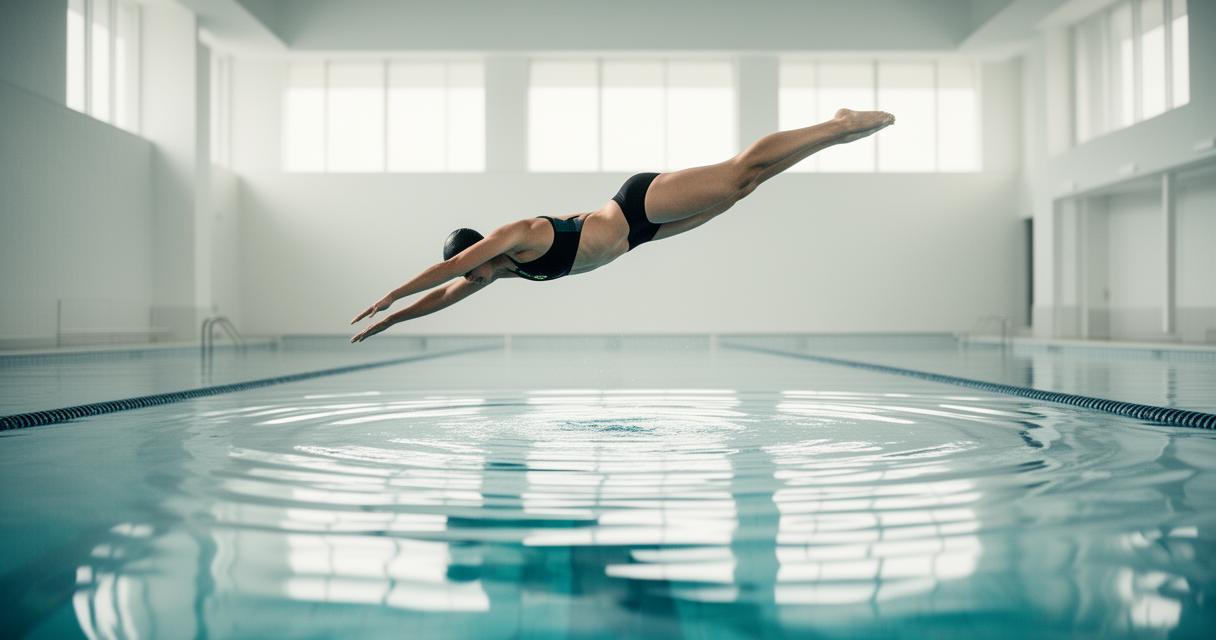
The ecological footprint of hosting international diving championships
Beyond the immediate physical changes to coastal areas, international diving championships generate a broader ecological footprint that encompasses carbon emissions, waste management, and resource consumption. The influx of visitors for such events places additional strain on local resources, from water supplies to waste disposal systems, often exceeding the capacity of existing infrastructure. The transportation of athletes, officials, and spectators contributes significantly to greenhouse gas emissions, exacerbating the impacts of climate change on marine ecosystems that are already vulnerable to rising temperatures and ocean acidification. Moreover, the temporary nature of many championship facilities can result in underutilised structures that become environmental liabilities rather than assets. Addressing these challenges requires a comprehensive approach that integrates environmental considerations into the planning and execution of international events. Strategies such as carbon offsetting, waste reduction programmes, and the use of eco-friendly materials can help reduce the ecological footprint. Additionally, engaging local communities and environmental organisations in the planning process ensures that the long-term health of coastal ecosystems remains a priority, balancing the excitement of international competition with the imperative of environmental conservation.
Hospitality and heritage: how diving culture shapes coastal community development
The Establishment of Hotels and Restaurants Near Renowned Diving Locations
The growth of diving as both a competitive sport and a recreational activity has spurred the development of hospitality infrastructure around renowned coastal locations. Hotels, restaurants, and dive shops have proliferated in areas known for their exceptional underwater environments, catering to the needs of tourists seeking to explore these aquatic treasures. This development has brought significant economic benefits to coastal communities, creating jobs and generating revenue that supports local economies. However, the rapid expansion of hospitality services can also lead to environmental challenges. Increased construction alters coastal landscapes, often encroaching on fragile habitats such as mangroves and coral reefs that serve as critical buffers against erosion and storm surges. The demand for fresh water and the generation of wastewater from hotels and restaurants can strain local resources and contribute to pollution if not managed sustainably. Furthermore, the influx of visitors can lead to overcrowding at popular dive sites, resulting in physical damage to marine life and diminished experiences for tourists. Balancing the economic advantages of hospitality development with the need to protect coastal ecosystems requires careful planning and the adoption of sustainable practices. Initiatives such as green building certifications, waste recycling programmes, and the promotion of low-impact tourism can help mitigate the environmental costs whilst preserving the natural beauty that attracts visitors in the first place.
Balancing tourism revenue with marine conservation efforts
Coastal communities dependent on diving tourism face the complex task of maximising economic benefits whilst safeguarding the marine environments that underpin their livelihoods. The revenue generated from diving tourism can be substantial, with some regions seeing income from this sector rival traditional industries such as fisheries. In Mexico, for instance, diving industry revenues are comparable to the entire country's fisheries sector, illustrating the economic significance of underwater tourism. This financial contribution supports local infrastructure, education, and healthcare, enhancing the quality of life for residents. However, the sustainability of this economic model hinges on the health of marine ecosystems. Degraded reefs and polluted waters deter tourists, leading to a decline in revenue and threatening the livelihoods that depend on tourism. Recognising this interdependence, many coastal communities are embracing marine conservation efforts as a means of securing long-term economic stability. The establishment of marine protected areas and the implementation of responsible diving practices are critical components of this strategy. Research indicates that 67 per cent of dive sites are located within Marine Protected Areas, yet only 15 per cent are situated in highly protected zones where extractive activities are prohibited. Expanding these protections could increase dive demand by 32 per cent, translating to approximately 10.5 million additional dives annually and generating an additional $2 billion globally. Such measures not only preserve biodiversity but also enhance the quality of diving experiences, attracting more visitors and sustaining tourism revenue. Collaboration between governments, local communities, and the diving industry is essential to achieving this balance, ensuring that marine conservation and economic prosperity advance hand in hand.

Beyond The Diver’s Plunge: Exploring the Environmental Impact of Competitive Diving Locations on Coastal Ecosystems
Competitive diving, long celebrated for its grace and athleticism, has carved out a unique space within the sporting world whilst simultaneously shaping the environments where it unfolds. From the sun-drenched coasts of the Mediterranean to the vibrant harbours of Australia, diving venues have become focal points not only for athletic excellence but also for the intricate interplay between human activity and marine ecosystems. This exploration examines how diving locations influence coastal environments, balancing the allure of sport and tourism with the pressing need for environmental stewardship.
The Cinematic Legacy of Diving: From Marseille to Sydney's Coastal Narratives
Historical Diving Contexts in European and Australian Waterscapes
Diving has woven itself into the cultural fabric of coastal regions across Europe and Australia, with Marseille and Sydney standing as emblematic examples of this rich heritage. Marseille, with its historic port and azure waters, has long been a backdrop for diving narratives that capture the romance and danger of the sea. The city's coastal identity is intertwined with tales of divers exploring its depths, fostering a tradition that extends back generations. Similarly, Sydney's spectacular harbour and coastal stretches have provided a dramatic stage for diving culture, where the sport's history is celebrated through local stories and international competitions. These waterscapes have not only served as venues for athletic pursuits but have also inspired artistic and cinematic representations that elevate the profile of these locations. The historical context of diving in such regions underscores how human engagement with water has shaped local identity, yet this legacy also brings with it the challenge of preserving the delicate ecosystems that make these places so captivating.
Film Representations and Their Influence on Coastal Tourism Patterns
Cinema has played a transformative role in amplifying the appeal of diving locations, translating the visceral thrill of the plunge into visual narratives that captivate audiences worldwide. Films set in iconic coastal regions have often romanticised the diving experience, drawing tourists eager to immerse themselves in the landscapes they have seen on screen. This phenomenon has led to a significant increase in visitor numbers to destinations such as Marseille and Sydney, where the allure of replicating cinematic moments drives tourism revenue. However, the surge in visitors brings with it considerable environmental pressures. Increased foot traffic, boat activity, and the development of supporting infrastructure can disturb marine habitats, threatening biodiversity and the health of coral reefs. The economic benefits of tourism, whilst substantial, must be weighed against the potential for ecological degradation. As such, the influence of film on coastal tourism patterns highlights the need for sustainable management strategies that protect marine ecosystems whilst allowing communities to benefit from their natural assets.
Olympic Excellence and Synchronised Diving: Environmental Considerations at Elite Competition Venues
Infrastructure Development and Coastal Ecosystem Disruption at Major Events
Hosting major diving competitions, such as the Olympics, requires substantial infrastructure development that can profoundly affect coastal ecosystems. The construction of state-of-the-art diving facilities, accommodation for athletes and spectators, and the necessary transport links often necessitates significant alterations to the natural landscape. These developments can lead to habitat loss, increased pollution, and disruption to local wildlife, particularly in sensitive coastal zones where marine life thrives. The footprint of such events extends beyond the physical structures, encompassing the energy consumption and waste generation associated with large-scale gatherings. Whilst these competitions bring global attention and economic investment to host cities, the environmental costs can be considerable. The challenge lies in designing and implementing infrastructure that minimises ecological disruption, incorporating sustainable building practices and renewable energy sources to mitigate the impact. The legacy of Olympic diving venues should ideally include enhanced environmental protections rather than degraded ecosystems, ensuring that the pursuit of athletic excellence does not come at the expense of the natural world.
The ecological footprint of hosting international diving championships
Beyond the immediate physical changes to coastal areas, international diving championships generate a broader ecological footprint that encompasses carbon emissions, waste management, and resource consumption. The influx of visitors for such events places additional strain on local resources, from water supplies to waste disposal systems, often exceeding the capacity of existing infrastructure. The transportation of athletes, officials, and spectators contributes significantly to greenhouse gas emissions, exacerbating the impacts of climate change on marine ecosystems that are already vulnerable to rising temperatures and ocean acidification. Moreover, the temporary nature of many championship facilities can result in underutilised structures that become environmental liabilities rather than assets. Addressing these challenges requires a comprehensive approach that integrates environmental considerations into the planning and execution of international events. Strategies such as carbon offsetting, waste reduction programmes, and the use of eco-friendly materials can help reduce the ecological footprint. Additionally, engaging local communities and environmental organisations in the planning process ensures that the long-term health of coastal ecosystems remains a priority, balancing the excitement of international competition with the imperative of environmental conservation.
Hospitality and heritage: how diving culture shapes coastal community development
The Establishment of Hotels and Restaurants Near Renowned Diving Locations
The growth of diving as both a competitive sport and a recreational activity has spurred the development of hospitality infrastructure around renowned coastal locations. Hotels, restaurants, and dive shops have proliferated in areas known for their exceptional underwater environments, catering to the needs of tourists seeking to explore these aquatic treasures. This development has brought significant economic benefits to coastal communities, creating jobs and generating revenue that supports local economies. However, the rapid expansion of hospitality services can also lead to environmental challenges. Increased construction alters coastal landscapes, often encroaching on fragile habitats such as mangroves and coral reefs that serve as critical buffers against erosion and storm surges. The demand for fresh water and the generation of wastewater from hotels and restaurants can strain local resources and contribute to pollution if not managed sustainably. Furthermore, the influx of visitors can lead to overcrowding at popular dive sites, resulting in physical damage to marine life and diminished experiences for tourists. Balancing the economic advantages of hospitality development with the need to protect coastal ecosystems requires careful planning and the adoption of sustainable practices. Initiatives such as green building certifications, waste recycling programmes, and the promotion of low-impact tourism can help mitigate the environmental costs whilst preserving the natural beauty that attracts visitors in the first place.
Balancing tourism revenue with marine conservation efforts
Coastal communities dependent on diving tourism face the complex task of maximising economic benefits whilst safeguarding the marine environments that underpin their livelihoods. The revenue generated from diving tourism can be substantial, with some regions seeing income from this sector rival traditional industries such as fisheries. In Mexico, for instance, diving industry revenues are comparable to the entire country's fisheries sector, illustrating the economic significance of underwater tourism. This financial contribution supports local infrastructure, education, and healthcare, enhancing the quality of life for residents. However, the sustainability of this economic model hinges on the health of marine ecosystems. Degraded reefs and polluted waters deter tourists, leading to a decline in revenue and threatening the livelihoods that depend on tourism. Recognising this interdependence, many coastal communities are embracing marine conservation efforts as a means of securing long-term economic stability. The establishment of marine protected areas and the implementation of responsible diving practices are critical components of this strategy. Research indicates that 67 per cent of dive sites are located within Marine Protected Areas, yet only 15 per cent are situated in highly protected zones where extractive activities are prohibited. Expanding these protections could increase dive demand by 32 per cent, translating to approximately 10.5 million additional dives annually and generating an additional $2 billion globally. Such measures not only preserve biodiversity but also enhance the quality of diving experiences, attracting more visitors and sustaining tourism revenue. Collaboration between governments, local communities, and the diving industry is essential to achieving this balance, ensuring that marine conservation and economic prosperity advance hand in hand.
Most Popular
Beyond The Diver’s Plunge: Exploring the Environmental Impact of Competitive Diving Locations on Coastal Ecosystems
User-Tested Comparison: The 10 Best MTB and Cyclo-cross Shoes Rated for Terrain Versatility and Fit
How to Keep Makeup Fresh During a Swim Session: My Top 5 Cosmetics Products for the Swimming Pool
What Size for a Bodyboard? Decoding Professional Preferences in Board Dimensions, Foam Types, and Tail Shapes
Categories
Related Posts
Beyond The Diver’s Plunge: Exploring the Environmental Impact of Competitive Diving Locations on Coastal Ecosystems
Competitive diving, long celebrated for its grace and athleticism, has carved out a unique space within the sporting world whilst
User-Tested Comparison: The 10 Best MTB and Cyclo-cross Shoes Rated for Terrain Versatility and Fit
Selecting the right footwear for mountain biking and cyclo-cross can dramatically transform your riding experience, whether you are tackling muddy
How to Keep Makeup Fresh During a Swim Session: My Top 5 Cosmetics Products for the Swimming Pool
Maintaining a polished appearance while enjoying time in the water can feel like a delicate balancing act. Whether you're heading
What Size for a Bodyboard? Decoding Professional Preferences in Board Dimensions, Foam Types, and Tail Shapes
Selecting the right bodyboard involves navigating a fascinating landscape of technical specifications, materials, and design philosophies that can transform your