Selecting the right footwear for mountain biking and cyclo-cross can dramatically transform your riding experience, whether you are tackling muddy trails, navigating rocky descents, or sprinting across gravel paths. The modern market offers an impressive array of options, each designed to meet the demands of specific terrains and riding styles. With advances in materials, closure systems, and sole construction, today's cycling shoes deliver a blend of comfort, efficiency, and durability that was unimaginable just a few years ago. This comprehensive review examines ten standout models that have been rigorously tested across various conditions, helping you find the perfect pair to match your adventures.
Performance and Comfort: What Makes a Brilliant MTB and Cyclo-cross Shoe
When it comes to mountain bike shoes and cyclo-cross footwear, performance and comfort are inseparable. A shoe that excels in one area but falters in another can quickly become a liability on challenging terrain. The best cycling shoes strike a delicate balance, offering a snug yet supportive fit that allows for efficient power transfer without sacrificing all-day comfort. This balance is achieved through careful attention to sole stiffness, upper materials, and the overall design philosophy of the shoe. Riders who spend hours on the saddle need footwear that can adapt to changing conditions, from steep climbs to technical descents, all while maintaining a secure connection to the pedals.
Essential Features for Multi-Terrain Riding: From Gravel Paths to Tarmac
Versatility is a hallmark of exceptional MTB footwear. Whether you are embarking on cross-country races, adventure riding through varied landscapes, or tackling all-mountain trails, your shoes must be capable of handling diverse surfaces. Tread patterns on the sole play a crucial role in providing grip when you need to dismount and navigate obstacles on foot. For those who frequently transition between riding and walking, a design that emphasises walkability without compromising pedal efficiency is essential. Materials that resist moisture and mud are equally important, ensuring that your feet remain dry and comfortable even in the wettest conditions. The ability to perform across gravel paths, tarmac, and rugged trails makes these shoes indispensable for riders who refuse to be confined to a single type of terrain.
The Importance of Proper Fit and Pedal Compatibility in Cycling Footwear
A perfect fit is non-negotiable when it comes to cycling shoes. Even the most technologically advanced shoe will underperform if it does not conform to the unique shape of your foot. Proper fit ensures that power transfer from your legs to the pedals is maximised, reducing energy loss and enhancing overall efficiency. Additionally, the compatibility between your shoes and pedals is a critical consideration. Clip-in shoes, designed for seamless engagement with automatic pedal systems, offer superior control and responsiveness, making them ideal for competitive riding and long-distance adventures. On the other hand, flat pedal shoes provide the freedom to quickly disengage, which can be advantageous in technical sections or for riders who prefer a more relaxed approach. Understanding your riding style and the demands of your typical routes will guide you towards the right choice, ensuring that your footwear complements your technique and enhances your overall experience.
Top-rated technologies: carbon soles, boa systems, and advanced closure mechanisms
Modern cycling shoes are marvels of engineering, incorporating cutting-edge technologies that enhance performance and convenience. Among these innovations, carbon soles and BOA closure systems stand out as game-changers. These features are not merely aesthetic upgrades; they fundamentally improve how energy is transferred from rider to bike and how quickly adjustments can be made on the move. As manufacturers continue to refine these technologies, riders benefit from lighter, stiffer, and more responsive footwear that can withstand the rigours of demanding trails and races.
How carbon fibre soles enhance power transfer and efficiency
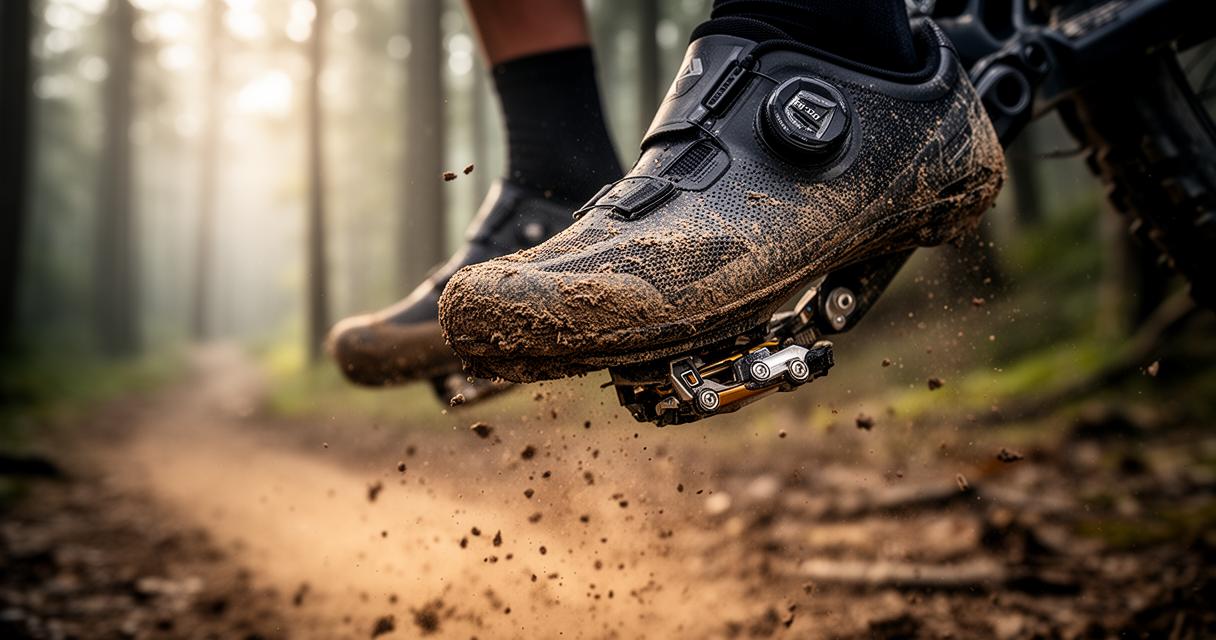
The introduction of carbon sole construction has revolutionised the cycling shoe industry. Carbon fibre, known for its exceptional stiffness-to-weight ratio, allows for a rigid platform that maximises power transfer with every pedal stroke. This rigidity ensures that energy is not wasted through flex in the sole, resulting in greater efficiency and speed. For riders engaged in trail riding, downhill descents, or cross-country competitions, the benefits of a carbon sole are immediately apparent. The reduced weight also contributes to a more nimble feel, allowing for quicker accelerations and improved handling. While carbon soles are often associated with premium price points, the performance gains they deliver make them a worthwhile investment for serious cyclists who demand the very best from their equipment.
Boa dial systems versus traditional fastening: which offers superior adjustability
The debate between BOA closure systems and traditional fastening methods such as laces and Velcro straps continues to captivate the cycling community. BOA systems, which utilise precision dials and steel laces, offer micro-adjustability that can be fine-tuned even while riding. This on-the-fly adjustability is particularly valuable during long rides, where foot swelling or changing conditions might necessitate a quick tweak for optimal comfort. In contrast, traditional laces and Velcro straps provide a tried-and-tested approach that many riders find reassuringly simple and reliable. Each system has its merits, and the choice often comes down to personal preference and the specific demands of your riding style. For those who prioritise convenience and precision, BOA systems represent a compelling upgrade, while traditionalists may appreciate the straightforward functionality of laces and straps.
Brand spotlight: shimano, northwave, adidas, and other leading manufacturers
The landscape of MTB and cyclo-cross footwear is populated by a diverse array of manufacturers, each bringing unique strengths and innovations to the table. Established names such as Shimano, Northwave, and Specialized have earned their reputations through years of refinement and a commitment to quality. Meanwhile, brands like Five Ten, Ride Concepts, Fizik, and CrankBrothers continue to push boundaries with fresh designs and advanced materials. Understanding the philosophy and specialities of these brands can help you make an informed decision when selecting your next pair of cycling shoes.
Comparing flat pedal shoes versus clipless options for different riding styles
Choosing between flat pedal shoes and clip-in shoes is one of the most significant decisions a cyclist will face. Flat pedal shoes, such as the highly regarded Five Ten Freerider and Freerider Pro, offer unparalleled freedom and confidence when navigating technical sections that require frequent foot placement adjustments. These shoes excel in downhill and all-mountain scenarios, where the ability to quickly dab a foot can prevent a crash. Their grippy rubber soles provide excellent traction on the pedals, ensuring a secure connection even in wet or muddy conditions. In contrast, clip-in shoes, including models like the CrankBrothers Mallet Trail Boa Clip and the Fizik Vento Ferox Carbon, deliver superior power transfer and efficiency, making them the preferred choice for cross-country racing and long-distance adventure riding. The secure engagement with the pedals allows for a more fluid pedalling motion and reduces the risk of foot slippage during hard efforts. Each style caters to different needs, and many dedicated riders maintain both types in their collection to suit varying terrain and riding objectives.
Value for Money Analysis: Balancing Quality, Price, and Long-Term Durability
When investing in cycling footwear, the relationship between price, quality, and durability is paramount. Premium models equipped with carbon soles and BOA systems command higher prices, but they often deliver performance benefits that justify the expense for committed riders. For those on a tighter budget, options like the Giro Gauge and the Five Ten Freerider represent excellent value, offering solid construction and reliable performance without breaking the bank. The Scott MTB Team Boa and the Specialized 2FO Roost Clip are frequently cited as outstanding choices that balance cost and capability, earning them recognition as budget cycling shoes that do not compromise on essential features. Durability is another critical consideration, as shoes that withstand the rigours of regular use over multiple seasons provide better long-term value than cheaper alternatives that require frequent replacement. Rigorous shoe performance testing has shown that investing in quality materials and construction pays dividends in terms of longevity and sustained comfort.
In evaluating the ten best options available today, riders can draw from a wealth of user-tested data covering metrics such as comfort, weight, power transfer, walkability, and durability. The CrankBrothers Mallet Trail Boa Clip has emerged as the best overall MTB shoe, praised for its versatility and robust construction. For those focused on cross-country performance, the Fizik Vento Ferox Carbon stands out with its lightweight design and exceptional power transfer. The Scott MTB Team Boa offers tremendous value in the cross-country category, while the Specialized 2FO Roost Clip delivers impressive performance for all-mountain and trail riding enthusiasts. Budget-conscious cyclists will appreciate the Giro Gauge, which proves that quality need not be sacrificed when funds are limited. Adventure riders seeking a shoe that transitions seamlessly from pedal to trail will find the Pearl Izumi X-Alp Summit an ideal companion. Downhill specialists, meanwhile, should consider the Fox Union BOA, which combines robust protection with precise adjustability. Among flat pedal options, the Five Ten Freerider Pro reigns supreme, offering unmatched grip and durability, while the standard Freerider provides excellent bang-for-buck performance that appeals to a wide range of riders.
Fourteen models were subjected to profound testing across varied conditions, ensuring that each recommendation is grounded in real-world experience rather than mere marketing claims. The assessment considered diverse closure systems, including BOA dials, laces, and Velcro straps, to understand how each mechanism influences overall performance and user satisfaction. This rigorous approach guarantees that the shoes featured here represent the pinnacle of what the market currently offers, catering to different riding styles, quality expectations, and performance requirements. Whether you prioritise the razor-sharp efficiency of a carbon sole, the micro-adjustability of a BOA system, or the rugged dependability of a traditional lace-up design, there is a shoe on this list that will elevate your riding experience and help you conquer any terrain with confidence.

User-Tested Comparison: The 10 Best MTB and Cyclo-cross Shoes Rated for Terrain Versatility and Fit
Selecting the right footwear for mountain biking and cyclo-cross can dramatically transform your riding experience, whether you are tackling muddy trails, navigating rocky descents, or sprinting across gravel paths. The modern market offers an impressive array of options, each designed to meet the demands of specific terrains and riding styles. With advances in materials, closure systems, and sole construction, today's cycling shoes deliver a blend of comfort, efficiency, and durability that was unimaginable just a few years ago. This comprehensive review examines ten standout models that have been rigorously tested across various conditions, helping you find the perfect pair to match your adventures.
Performance and Comfort: What Makes a Brilliant MTB and Cyclo-cross Shoe
When it comes to mountain bike shoes and cyclo-cross footwear, performance and comfort are inseparable. A shoe that excels in one area but falters in another can quickly become a liability on challenging terrain. The best cycling shoes strike a delicate balance, offering a snug yet supportive fit that allows for efficient power transfer without sacrificing all-day comfort. This balance is achieved through careful attention to sole stiffness, upper materials, and the overall design philosophy of the shoe. Riders who spend hours on the saddle need footwear that can adapt to changing conditions, from steep climbs to technical descents, all while maintaining a secure connection to the pedals.
Essential Features for Multi-Terrain Riding: From Gravel Paths to Tarmac
Versatility is a hallmark of exceptional MTB footwear. Whether you are embarking on cross-country races, adventure riding through varied landscapes, or tackling all-mountain trails, your shoes must be capable of handling diverse surfaces. Tread patterns on the sole play a crucial role in providing grip when you need to dismount and navigate obstacles on foot. For those who frequently transition between riding and walking, a design that emphasises walkability without compromising pedal efficiency is essential. Materials that resist moisture and mud are equally important, ensuring that your feet remain dry and comfortable even in the wettest conditions. The ability to perform across gravel paths, tarmac, and rugged trails makes these shoes indispensable for riders who refuse to be confined to a single type of terrain.
The Importance of Proper Fit and Pedal Compatibility in Cycling Footwear
A perfect fit is non-negotiable when it comes to cycling shoes. Even the most technologically advanced shoe will underperform if it does not conform to the unique shape of your foot. Proper fit ensures that power transfer from your legs to the pedals is maximised, reducing energy loss and enhancing overall efficiency. Additionally, the compatibility between your shoes and pedals is a critical consideration. Clip-in shoes, designed for seamless engagement with automatic pedal systems, offer superior control and responsiveness, making them ideal for competitive riding and long-distance adventures. On the other hand, flat pedal shoes provide the freedom to quickly disengage, which can be advantageous in technical sections or for riders who prefer a more relaxed approach. Understanding your riding style and the demands of your typical routes will guide you towards the right choice, ensuring that your footwear complements your technique and enhances your overall experience.
Top-rated technologies: carbon soles, boa systems, and advanced closure mechanisms
Modern cycling shoes are marvels of engineering, incorporating cutting-edge technologies that enhance performance and convenience. Among these innovations, carbon soles and BOA closure systems stand out as game-changers. These features are not merely aesthetic upgrades; they fundamentally improve how energy is transferred from rider to bike and how quickly adjustments can be made on the move. As manufacturers continue to refine these technologies, riders benefit from lighter, stiffer, and more responsive footwear that can withstand the rigours of demanding trails and races.
How carbon fibre soles enhance power transfer and efficiency
The introduction of carbon sole construction has revolutionised the cycling shoe industry. Carbon fibre, known for its exceptional stiffness-to-weight ratio, allows for a rigid platform that maximises power transfer with every pedal stroke. This rigidity ensures that energy is not wasted through flex in the sole, resulting in greater efficiency and speed. For riders engaged in trail riding, downhill descents, or cross-country competitions, the benefits of a carbon sole are immediately apparent. The reduced weight also contributes to a more nimble feel, allowing for quicker accelerations and improved handling. While carbon soles are often associated with premium price points, the performance gains they deliver make them a worthwhile investment for serious cyclists who demand the very best from their equipment.
Boa dial systems versus traditional fastening: which offers superior adjustability
The debate between BOA closure systems and traditional fastening methods such as laces and Velcro straps continues to captivate the cycling community. BOA systems, which utilise precision dials and steel laces, offer micro-adjustability that can be fine-tuned even while riding. This on-the-fly adjustability is particularly valuable during long rides, where foot swelling or changing conditions might necessitate a quick tweak for optimal comfort. In contrast, traditional laces and Velcro straps provide a tried-and-tested approach that many riders find reassuringly simple and reliable. Each system has its merits, and the choice often comes down to personal preference and the specific demands of your riding style. For those who prioritise convenience and precision, BOA systems represent a compelling upgrade, while traditionalists may appreciate the straightforward functionality of laces and straps.
Brand spotlight: shimano, northwave, adidas, and other leading manufacturers
The landscape of MTB and cyclo-cross footwear is populated by a diverse array of manufacturers, each bringing unique strengths and innovations to the table. Established names such as Shimano, Northwave, and Specialized have earned their reputations through years of refinement and a commitment to quality. Meanwhile, brands like Five Ten, Ride Concepts, Fizik, and CrankBrothers continue to push boundaries with fresh designs and advanced materials. Understanding the philosophy and specialities of these brands can help you make an informed decision when selecting your next pair of cycling shoes.
Comparing flat pedal shoes versus clipless options for different riding styles
Choosing between flat pedal shoes and clip-in shoes is one of the most significant decisions a cyclist will face. Flat pedal shoes, such as the highly regarded Five Ten Freerider and Freerider Pro, offer unparalleled freedom and confidence when navigating technical sections that require frequent foot placement adjustments. These shoes excel in downhill and all-mountain scenarios, where the ability to quickly dab a foot can prevent a crash. Their grippy rubber soles provide excellent traction on the pedals, ensuring a secure connection even in wet or muddy conditions. In contrast, clip-in shoes, including models like the CrankBrothers Mallet Trail Boa Clip and the Fizik Vento Ferox Carbon, deliver superior power transfer and efficiency, making them the preferred choice for cross-country racing and long-distance adventure riding. The secure engagement with the pedals allows for a more fluid pedalling motion and reduces the risk of foot slippage during hard efforts. Each style caters to different needs, and many dedicated riders maintain both types in their collection to suit varying terrain and riding objectives.
Value for Money Analysis: Balancing Quality, Price, and Long-Term Durability
When investing in cycling footwear, the relationship between price, quality, and durability is paramount. Premium models equipped with carbon soles and BOA systems command higher prices, but they often deliver performance benefits that justify the expense for committed riders. For those on a tighter budget, options like the Giro Gauge and the Five Ten Freerider represent excellent value, offering solid construction and reliable performance without breaking the bank. The Scott MTB Team Boa and the Specialized 2FO Roost Clip are frequently cited as outstanding choices that balance cost and capability, earning them recognition as budget cycling shoes that do not compromise on essential features. Durability is another critical consideration, as shoes that withstand the rigours of regular use over multiple seasons provide better long-term value than cheaper alternatives that require frequent replacement. Rigorous shoe performance testing has shown that investing in quality materials and construction pays dividends in terms of longevity and sustained comfort.
In evaluating the ten best options available today, riders can draw from a wealth of user-tested data covering metrics such as comfort, weight, power transfer, walkability, and durability. The CrankBrothers Mallet Trail Boa Clip has emerged as the best overall MTB shoe, praised for its versatility and robust construction. For those focused on cross-country performance, the Fizik Vento Ferox Carbon stands out with its lightweight design and exceptional power transfer. The Scott MTB Team Boa offers tremendous value in the cross-country category, while the Specialized 2FO Roost Clip delivers impressive performance for all-mountain and trail riding enthusiasts. Budget-conscious cyclists will appreciate the Giro Gauge, which proves that quality need not be sacrificed when funds are limited. Adventure riders seeking a shoe that transitions seamlessly from pedal to trail will find the Pearl Izumi X-Alp Summit an ideal companion. Downhill specialists, meanwhile, should consider the Fox Union BOA, which combines robust protection with precise adjustability. Among flat pedal options, the Five Ten Freerider Pro reigns supreme, offering unmatched grip and durability, while the standard Freerider provides excellent bang-for-buck performance that appeals to a wide range of riders.
Fourteen models were subjected to profound testing across varied conditions, ensuring that each recommendation is grounded in real-world experience rather than mere marketing claims. The assessment considered diverse closure systems, including BOA dials, laces, and Velcro straps, to understand how each mechanism influences overall performance and user satisfaction. This rigorous approach guarantees that the shoes featured here represent the pinnacle of what the market currently offers, catering to different riding styles, quality expectations, and performance requirements. Whether you prioritise the razor-sharp efficiency of a carbon sole, the micro-adjustability of a BOA system, or the rugged dependability of a traditional lace-up design, there is a shoe on this list that will elevate your riding experience and help you conquer any terrain with confidence.
Most Popular
Beyond The Diver’s Plunge: Exploring the Environmental Impact of Competitive Diving Locations on Coastal Ecosystems
User-Tested Comparison: The 10 Best MTB and Cyclo-cross Shoes Rated for Terrain Versatility and Fit
How to Keep Makeup Fresh During a Swim Session: My Top 5 Cosmetics Products for the Swimming Pool
What Size for a Bodyboard? Decoding Professional Preferences in Board Dimensions, Foam Types, and Tail Shapes
Categories
Related Posts
Beyond The Diver’s Plunge: Exploring the Environmental Impact of Competitive Diving Locations on Coastal Ecosystems
Competitive diving, long celebrated for its grace and athleticism, has carved out a unique space within the sporting world whilst
User-Tested Comparison: The 10 Best MTB and Cyclo-cross Shoes Rated for Terrain Versatility and Fit
Selecting the right footwear for mountain biking and cyclo-cross can dramatically transform your riding experience, whether you are tackling muddy
How to Keep Makeup Fresh During a Swim Session: My Top 5 Cosmetics Products for the Swimming Pool
Maintaining a polished appearance while enjoying time in the water can feel like a delicate balancing act. Whether you're heading
What Size for a Bodyboard? Decoding Professional Preferences in Board Dimensions, Foam Types, and Tail Shapes
Selecting the right bodyboard involves navigating a fascinating landscape of technical specifications, materials, and design philosophies that can transform your